Aydın,
13°C
parçalı az bulutlu

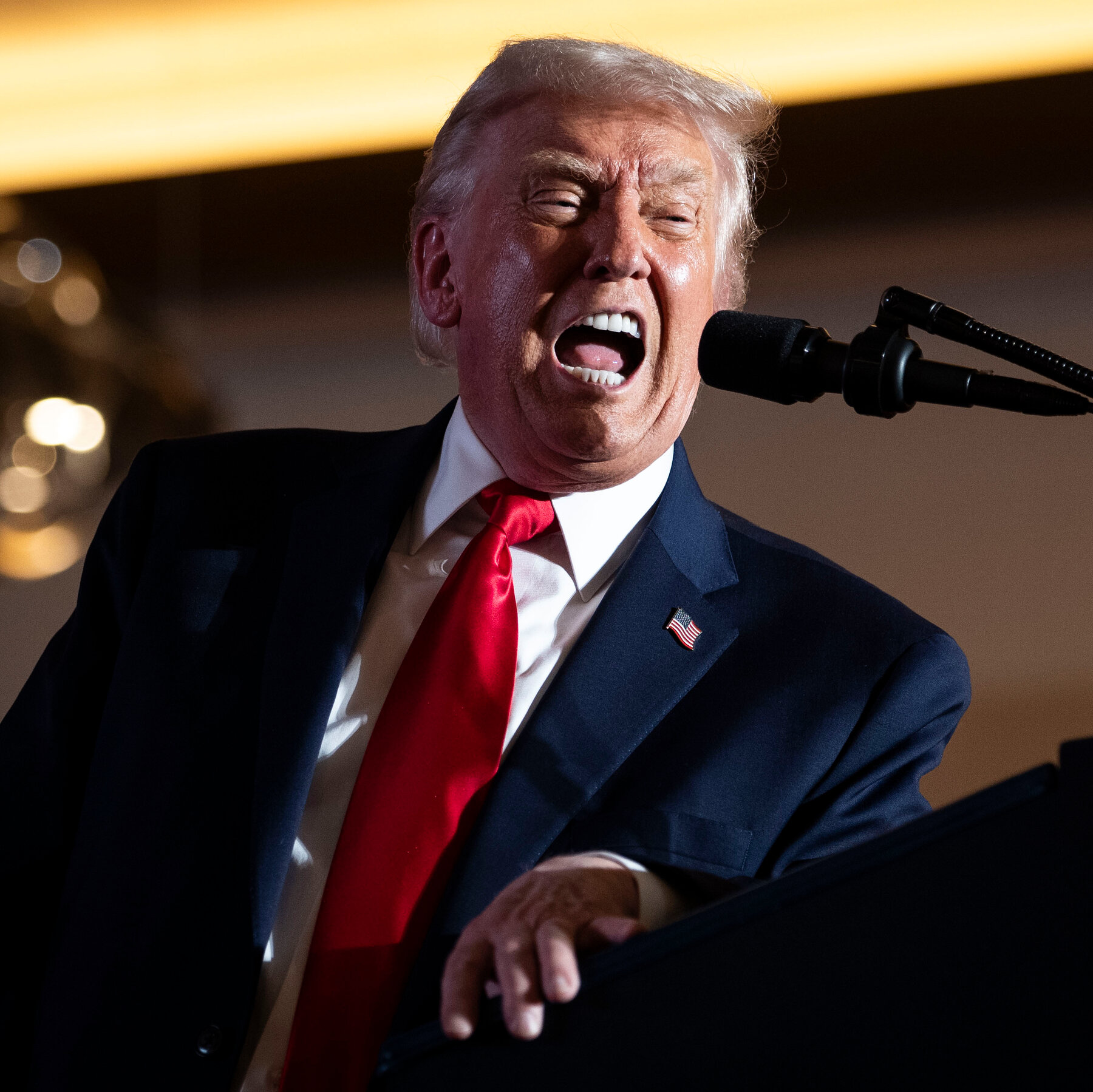
Washington — In the weeks since taking office, President Donald Trump has repeatedly declined to discuss the nation’s growing affordability crisis, despite pledging to address it within his first months.
When asked about rising costs in housing, healthcare, and everyday goods, the president offered only vague remarks, steering the conversation toward unrelated topics. Critics argue that this avoidance mirrors the tactics of his predecessor, who also sidestepped economic concerns while in office.
Democratic leaders seized on the silence, describing it as a “gift” that highlights the administration’s lack of a concrete plan. “We asked for solutions, not evasion,” said Senate Majority Leader Chuck Schumer. “The American people deserve answers, not a continued parade of distractions.”
Analysts note that the affordability issue remains a top priority for voters across the political spectrum. “Housing prices are soaring, prescription drugs are unaffordable, and wages aren’t keeping pace,” explained economist Laura Martinez. “If the president truly intends to solve these problems, he needs to engage directly with the data and the public.”
Meanwhile, the administration’s spokesperson maintained that the president is “focused on broader economic reforms” that will eventually lower costs, though no specific timeline or policy details have been provided.
As the debate intensifies, Democrats are urging Congress to take the lead on legislation that could ease the financial burden on American families, while the president’s silence continues to fuel speculation about his next move.