Background: A U.S. President’s Bold Statement
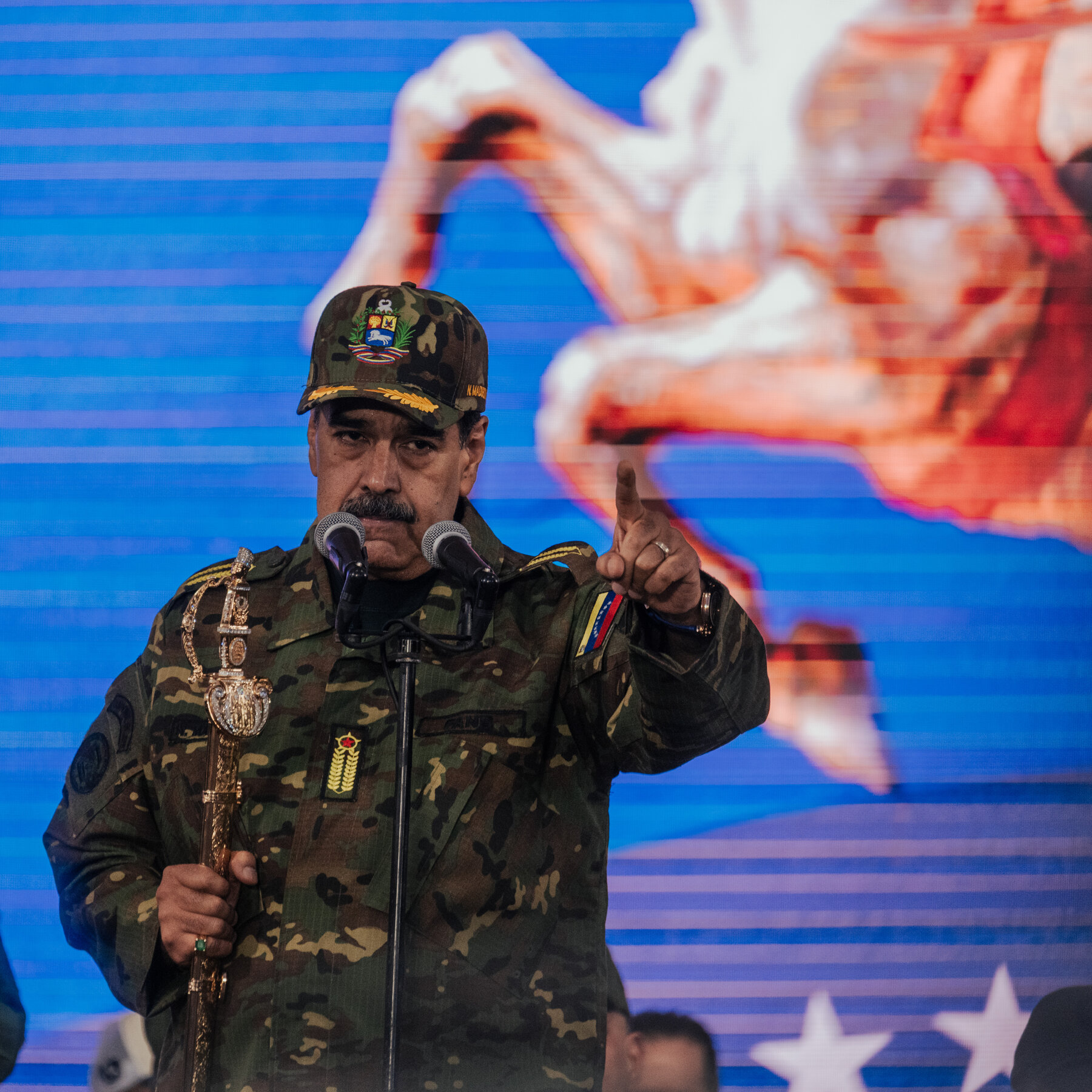
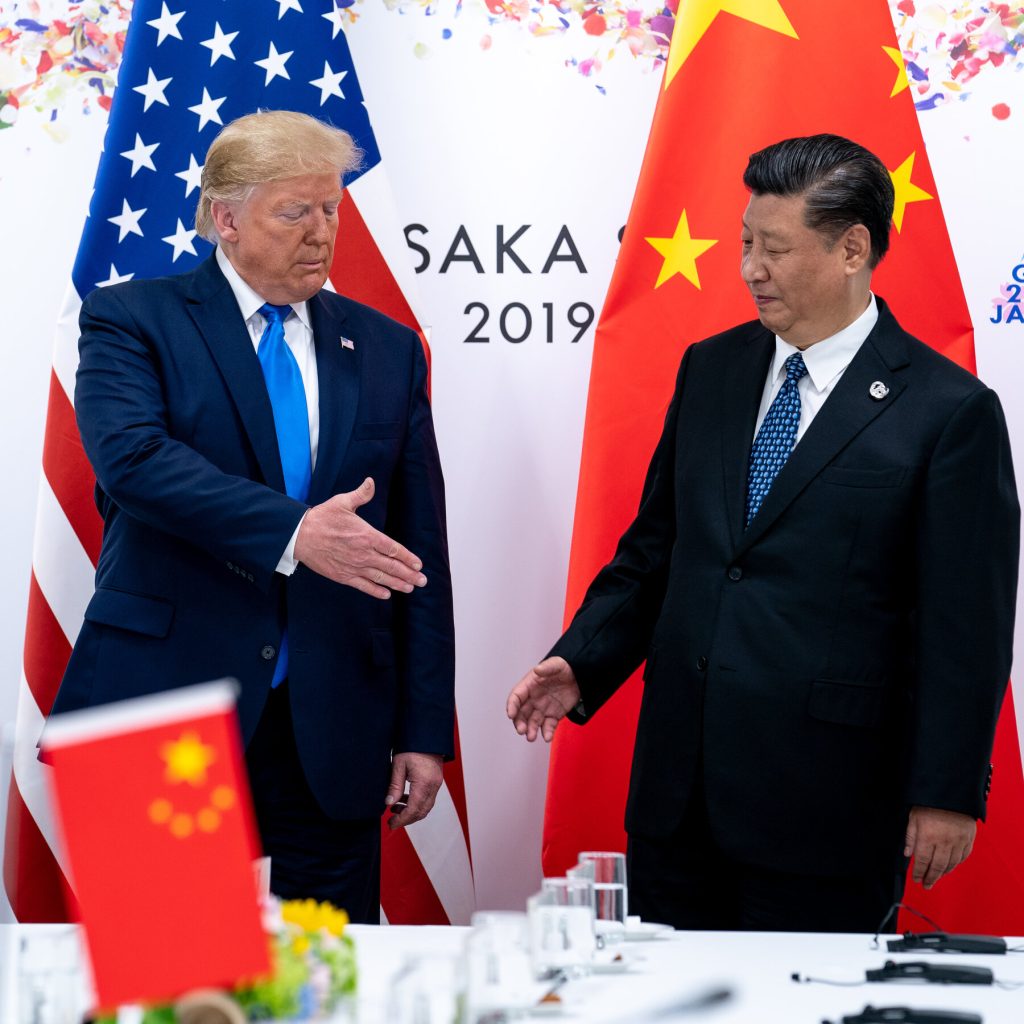
In a recent interview, former President Donald Trump urged the international community to press Venezuelan leader Nicolás Maduro to step down. The remark reignited speculation about the country’s political future and raised the question: who would be capable of steering Venezuela through a turbulent transition?
Potential Leaders from the Current Regime
Even within the United Socialist Party of Venezuela (PSUV), several high‑ranking officials could claim a legitimate path to power:
- Diosdado Cabello – The party’s de facto second‑in‑command, known for his tight control over the military and regional governors.
- Tareck El Aissami – Former vice president with extensive diplomatic experience, though his reputation has been tarnished by corruption allegations.
- Delcy Rodríguez – The current vice president, a seasoned diplomat who could leverage her international contacts to gain recognition.
While each of these figures possesses institutional backing, they also carry the baggage of the Maduro era, making domestic and foreign acceptance uncertain.
Opposition Figures Poised for a Leadership Role
The opposition coalition, despite internal fractures, has a few prominent personalities who might emerge as transitional leaders:
- Juan Guaidó – The self‑declared interim president recognized by many Western nations, yet his popularity has waned amid economic hardship.
- María Corina Machado – A fierce critic of the regime and a former presidential candidate, currently barred from running due to a ban that many view as politically motivated.
- Henrique Capriles – A former governor and opposition leader whose pragmatic approach could appeal to centrist voters.
Each opposition leader faces the challenge of uniting a fragmented movement while convincing the military and the international community of their credibility.
Key Obstacles Facing Any Successor
Regardless of their political origin, any prospective leader will confront a series of daunting hurdles:
- Control of the Armed Forces – The military remains the most powerful institution in Venezuela; without its loyalty, a civilian government cannot survive.
- Economic Collapse – Hyperinflation, food shortages, and a crippled oil sector demand immediate and competent economic management.
- International Legitimacy – Gaining recognition from the United Nations, the United States, and regional blocs is essential for accessing humanitarian aid and foreign investment.
- Social Unrest – Widespread protests and a traumatized populace mean that any new administration must quickly address human rights concerns and restore public trust.
U.S. Policy Options and Their Implications
Washington’s next steps could shape the outcome of Venezuela’s transition. Options on the table include:
- Targeted Sanctions – Intensifying pressure on Maduro’s inner circle while offering relief to entities that support a democratic transition.
- Diplomatic Incentives – Providing a pathway to sanctions relief and humanitarian assistance for any leader willing to hold free elections.
- Multilateral Mediation – Engaging the European Union, Brazil, and the Organization of American States to broker a negotiated transfer of power.
Each approach carries risks: overly harsh sanctions could deepen the humanitarian crisis, while premature incentives might embolden hardliners.
Conclusion: A Complex Road Ahead
The call for Maduro’s departure has amplified the urgency of finding a viable successor, yet no candidate—whether from the ruling party or the opposition—offers a clear, obstacle‑free path. The coming months will test the resilience of Venezuela’s institutions, the unity of its opposition, and the willingness of the international community to support a credible, inclusive transition.