Aydın,
-4°C
açık

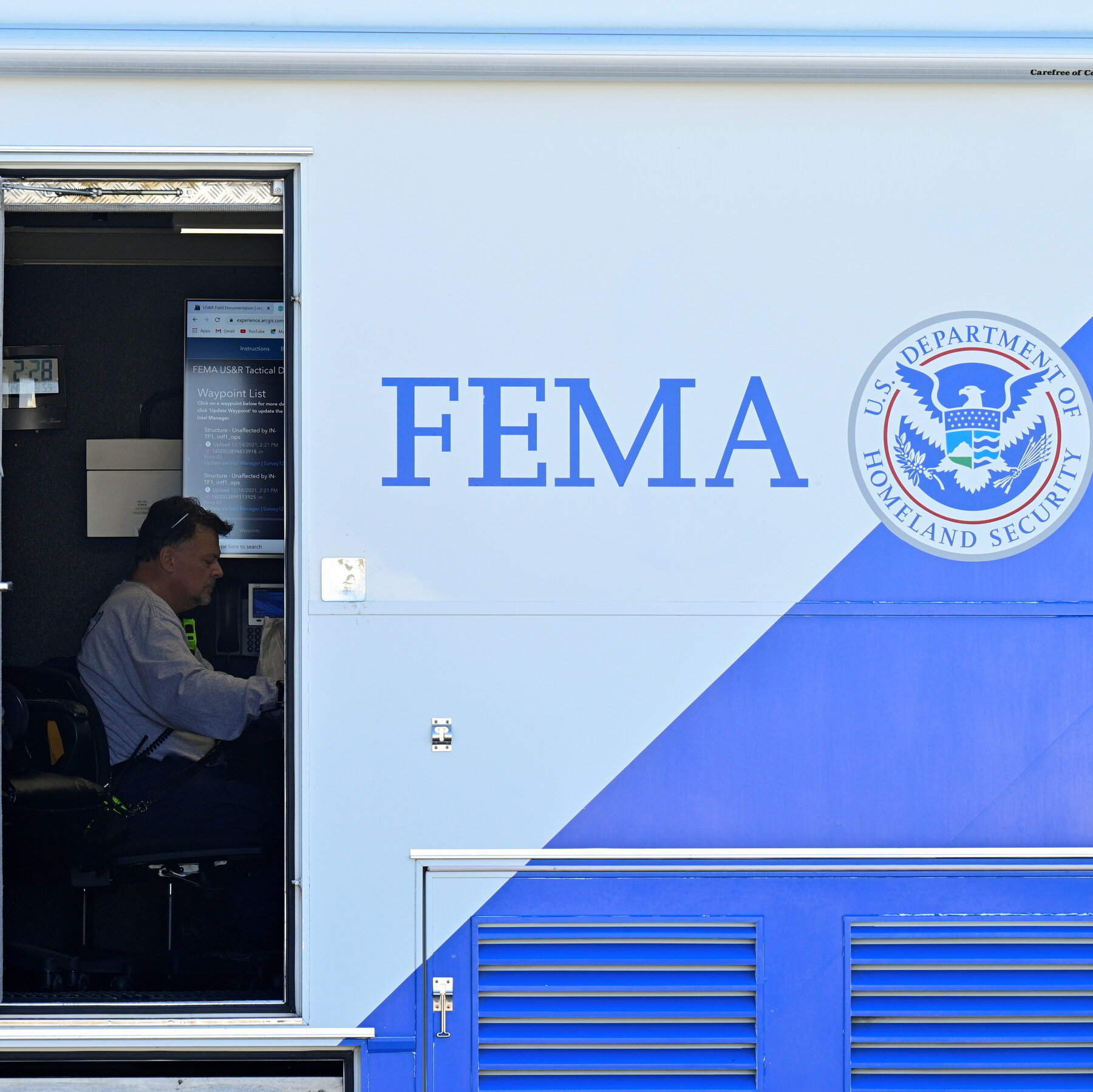
The bipartisan panel convened by the Trump administration to redesign the Federal Emergency Management Agency (FEMA) has suddenly delayed the publication of its long‑awaited recommendations. The report, originally slated for release next week, was to outline a comprehensive roadmap for reform after months of organizational upheaval and budgetary cuts.
Unexpected postponement
According to officials briefed on the matter, the delay was not due to a lack of findings but to “logistical challenges” in finalizing the document. The panel’s chair, former Department of Homeland Security official Mark Greene, told reporters that additional time was needed to incorporate feedback from key stakeholders, including state emergency managers and congressional oversight committees.
Background and expectations
Since its formation in early 2023, the panel has been tasked with evaluating FEMA’s response capabilities, funding mechanisms, and inter‑agency coordination. The agency has faced criticism after a series of high‑profile disasters, prompting calls for structural changes to improve speed and efficiency.
Industry experts had anticipated that the report would propose:
Reactions
State officials expressed disappointment but urged patience. “We understand that thoroughness is essential when it comes to national disaster preparedness,” said Texas Governor Laura Martinez. “We look forward to reviewing the final recommendations when they are ready.”
Congressional leaders, meanwhile, called for transparency. “The American people deserve to know how their tax dollars are being used to protect them from emergencies,” said Representative James O’Neil (R‑OH). “We expect the panel to deliver a clear and actionable plan without further delays.”
Implications of the delay
The postponement may affect upcoming budget negotiations, as lawmakers had planned to align funding allocations with the panel’s suggested reforms. Critics argue that the delay could stall much‑needed improvements, while supporters contend that a polished, consensus‑based report will ultimately yield stronger, more sustainable changes.
As the panel works to finalize its findings, stakeholders across the nation await a detailed blueprint that could reshape the nation’s emergency management strategy for years to come.