Aydın,
4°C
parçalı bulutlu

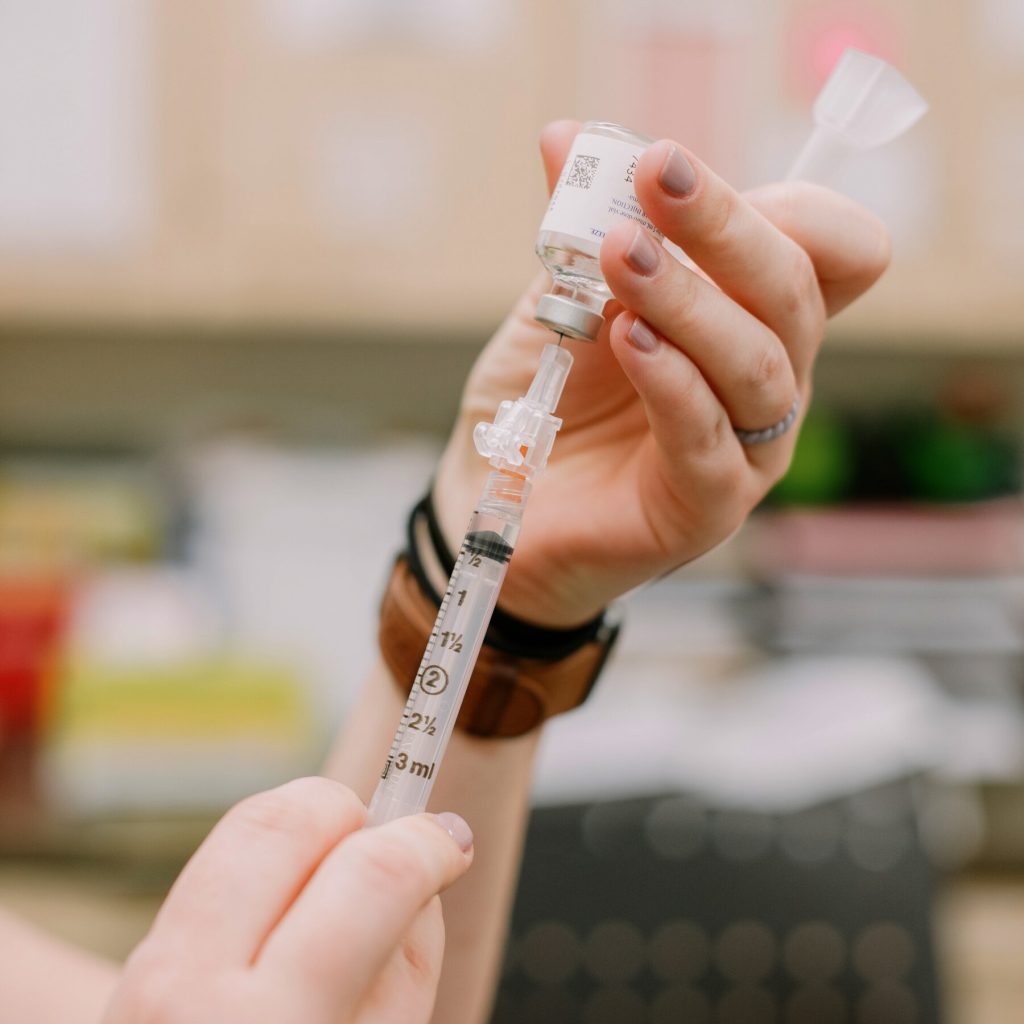
In a recent move that has sent shockwaves through the medical community, President Trump’s suggestion to remove aluminum from childhood vaccinations has raised alarm bells among vaccine experts. The proposal, which was met with widespread skepticism, could potentially impact nearly half of the shots used to protect against diseases such as polio, whooping cough, and other serious illnesses.
The use of aluminum salts as an adjuvant in vaccines has been a long-standing practice, dating back to the 1930s. The metal helps to stimulate the body’s immune response, making vaccines more effective in preventing infections. However, concerns about the potential health risks associated with aluminum exposure have been circulating, with some parents and activists calling for its removal from vaccines.
Vaccine experts, however, are adamant that the benefits of aluminum-containing vaccines far outweigh any perceived risks. “Aluminum is a critical component of many vaccines, and removing it would compromise their efficacy,” said Dr. Paul Offit, a pediatrician and vaccine expert at the Children’s Hospital of Philadelphia. “The science is clear: aluminum salts are safe and effective, and there’s no evidence to suggest that they cause harm.”
According to the Centers for Disease Control and Prevention (CDC), aluminum is used in a range of vaccines, including those for polio, whooping cough, and tetanus. Removing aluminum from these vaccines would require significant changes to the manufacturing process and could lead to a shortage of critical vaccines.
The reaction from vaccine experts has been swift and decisive, with many expressing concerns about the potential consequences of Trump’s proposal. “This is a classic example of politics trumping science,” said Dr. Peter Hotez, a vaccine expert at Baylor College of Medicine. “The risks associated with removing aluminum from vaccines far outweigh any perceived benefits. We need to rely on evidence-based medicine, not ideology or politics.”
As the debate continues to unfold, vaccine experts are urging caution and emphasizing the importance of evidence-based decision-making. With the threat of vaccine-preventable diseases still a major public health concern, the medical community is calling for a more nuanced and informed discussion about vaccine safety and efficacy.