
Aydın,
10°C
parçalı bulutlu

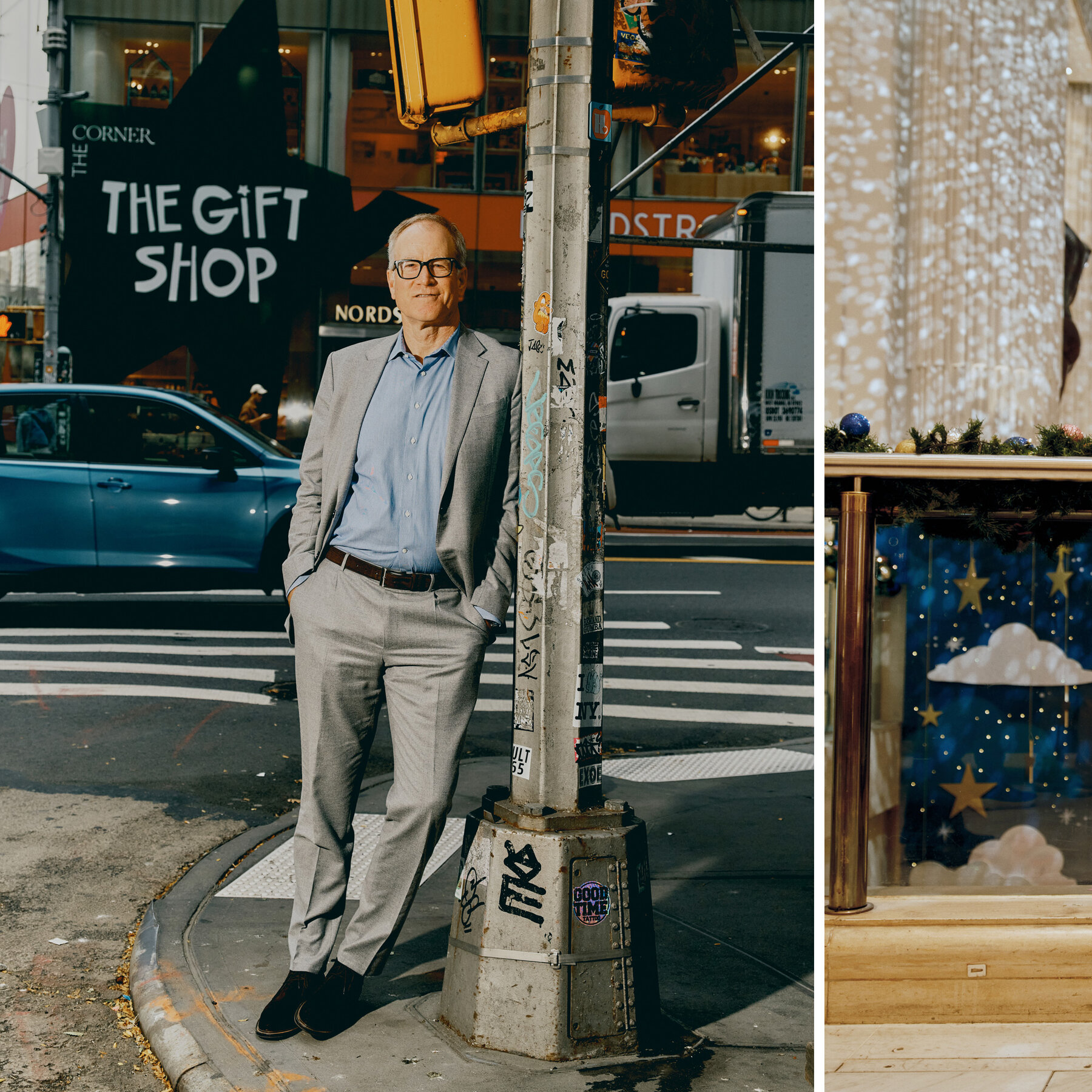
As the holiday window tightens, the CEOs of Nordstrom and Selfridges find themselves at a crossroads. Both leaders are grappling with a trio of challenges that could shape the destiny of their iconic brands: rising tariffs, a sluggish consumer‑spending environment, and the relentless pressure to stay relevant in an increasingly digital marketplace.
“We’re not just fighting a bad season; we’re fighting for our future,” said Erik Nordstrom, co‑CEO of Nordstrom, during a recent earnings call. “Every decision we make now will echo for years to come.” Across the Atlantic, Julie Sinclair, managing director of Selfridges, echoed the sentiment, adding that the retailer must “rethink how we connect with shoppers who expect both luxury and convenience.”
Both companies have felt the sting of new import duties on goods ranging from apparel to electronics. For Nordstrom, higher tariffs on Chinese‑made fashion items have squeezed margins, forcing the department store to renegotiate supplier contracts and explore alternative sourcing. Selfridges, which relies heavily on European luxury brands, faces similar cost pressures as the UK navigates post‑Brexit trade rules.
To mitigate these impacts, Nordstrom is accelerating its “Made in America” line, while Selfridges is expanding its partnership with local artisans and UK‑based designers, turning a potential liability into a marketing advantage.
The broader economy adds another layer of complexity. Consumer confidence remains fragile, with many shoppers tightening their belts after a year of inflation and interest‑rate hikes. Both retailers have reported a dip in foot traffic, prompting a shift toward omnichannel strategies that blend in‑store experiences with robust online platforms.
Nordstrom’s “Reserve & Try” service, which lets customers reserve items online and try them in‑store, aims to boost conversion rates, while Selfridges has launched a “Click‑and‑Collect” program that promises same‑day pickup from its flagship London locations.
Beyond price and logistics, the real battle is cultural. Millennials and Gen‑Z shoppers demand authenticity, sustainability, and seamless digital experiences. Nordstrom is investing heavily in AI‑driven personalization, using data to curate product recommendations that feel tailor‑made. Selfridges, meanwhile, is turning its stores into experiential hubs, featuring pop‑up art installations, interactive tech showcases, and a revamped loyalty program that rewards social sharing.
Both CEOs agree that the holiday season will be a litmus test. “If we can turn these challenges into opportunities, we’ll emerge stronger,” said Sinclair. “If not, the next year could be even tougher.”
As December approaches, Nordstrom and Selfridges are doubling down on promotional campaigns, exclusive collaborations, and aggressive inventory management. Their success will hinge on how well they can balance cost pressures with the evolving expectations of today’s shoppers.
In a market where “the only constant is change,” as Nordstrom’s CEO put it, the ability to adapt quickly may be the decisive factor that determines whether the holiday season becomes a triumph or a setback for these retail stalwarts.



Perakende sektöründe yaşanan değişimler ve zorluklar gerçekten dikkat çekici. Nordstrom ve Selfridges gibi markaların bu süreci nasıl yönettiğini görmek ilginç olacak.