Aydın,
-4°C
açık

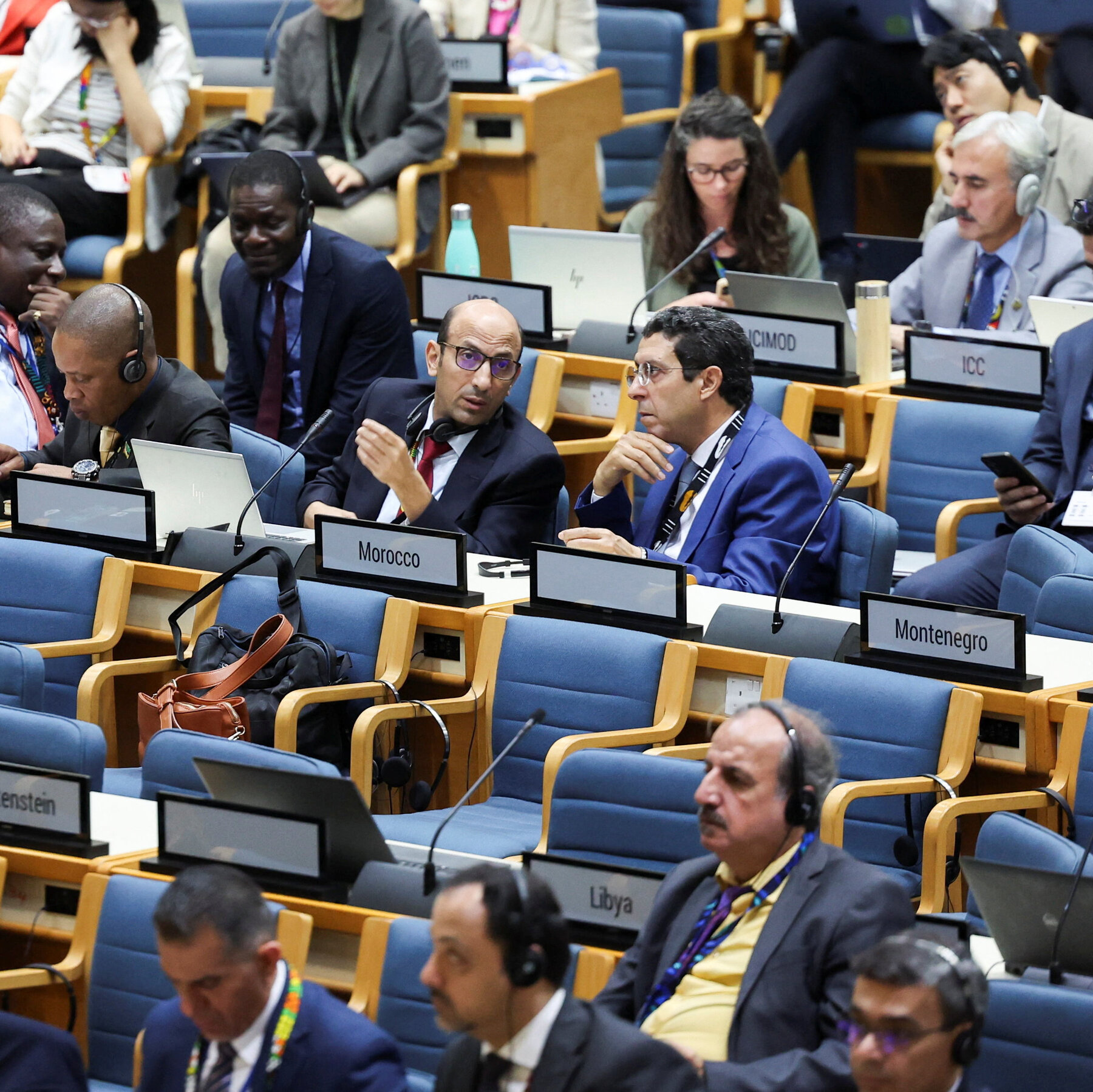
After three years of drafting, the United Nations is set to release a comprehensive assessment on the state of the global environment. The document addresses critical issues such as fossil‑fuel reliance, biodiversity loss, and the surge of plastic waste.
During the final sessions, officials from the United States aligned with representatives from Russia, Saudi Arabia, and Iran to challenge the wording of several key sections. Their objections centered on language that would have called for stronger commitments to curb carbon emissions, protect endangered species, and curb plastic pollution.
Fossil fuels: The U.S. and its allies argued that the report’s references to “phasing out coal and oil” were too prescriptive, urging a softer phrasing that left more room for national discretion.
Biodiversity: Critics from the four countries contended that the wording implied mandatory protection measures for critical habitats, suggesting instead a “voluntary” approach.
Plastics: Delegates from the coalition pushed back against calls for a global ban on single‑use plastics, proposing instead a “gradual reduction” strategy.
Environmental NGOs and many participating nations expressed disappointment, saying the amendments “watered down” the report’s urgency. “This is a missed opportunity to set a firm global agenda,” one activist group warned.
The final version of the report, now slated for release next month, reflects the compromises negotiated in the last days of the conference. Observers will be watching closely to see whether the diluted language will still be enough to drive meaningful policy action worldwide.