Aydın,
8°C
açık

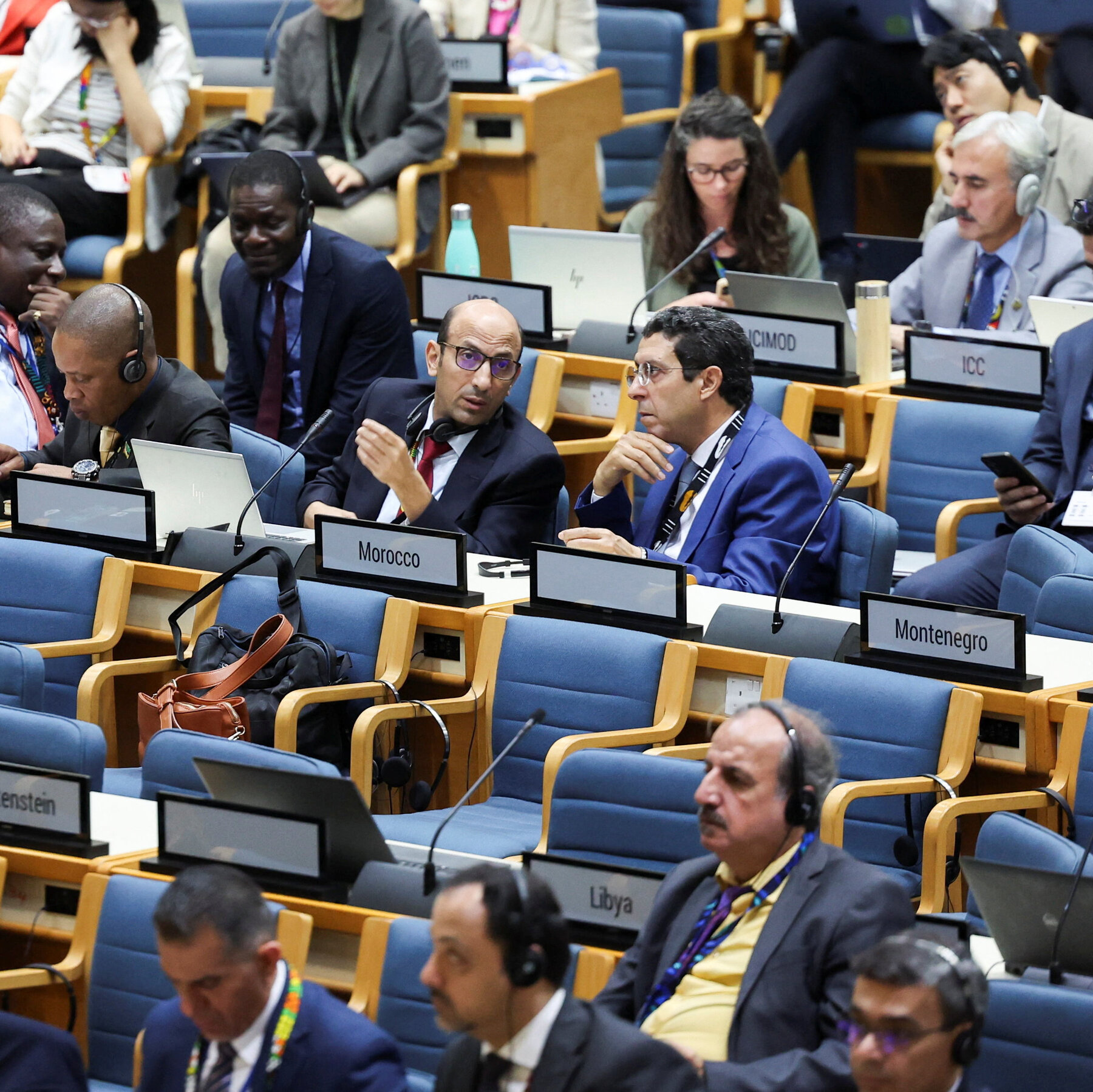
After three years of negotiations, a comprehensive draft report on fossil fuels, biodiversity loss, and plastic pollution was slated for adoption at the United Nations’ latest environment summit.
According to participants, the United States aligned itself with Russia, Saudi Arabia, and Iran to challenge several passages that called for stricter controls on fossil‑fuel extraction, stronger safeguards for global biodiversity, and ambitious targets for reducing single‑use plastics.
Delegates from the four countries argued that the wording was too “prescriptive” and could impose “unfair economic burdens” on developing nations. They pushed for softer language that would emphasize “voluntary cooperation” rather than binding commitments.
Several European and Pacific island states expressed disappointment, warning that the watered‑down language could undermine the urgency needed to address climate‑related crises.
If adopted, the revised report is expected to set a less aggressive agenda for tackling the intertwined challenges of climate change, biodiversity loss, and plastic waste. Critics fear this could slow momentum toward the targets outlined in the Paris Agreement and the Convention on Biological Diversity.
The final text will be voted on at the closing plenary of the summit. Observers say that the outcome will signal whether the United Nations can maintain a unified front on environmental issues or if geopolitical rivalries will continue to shape its agenda.