Aydın,
1°C
açık

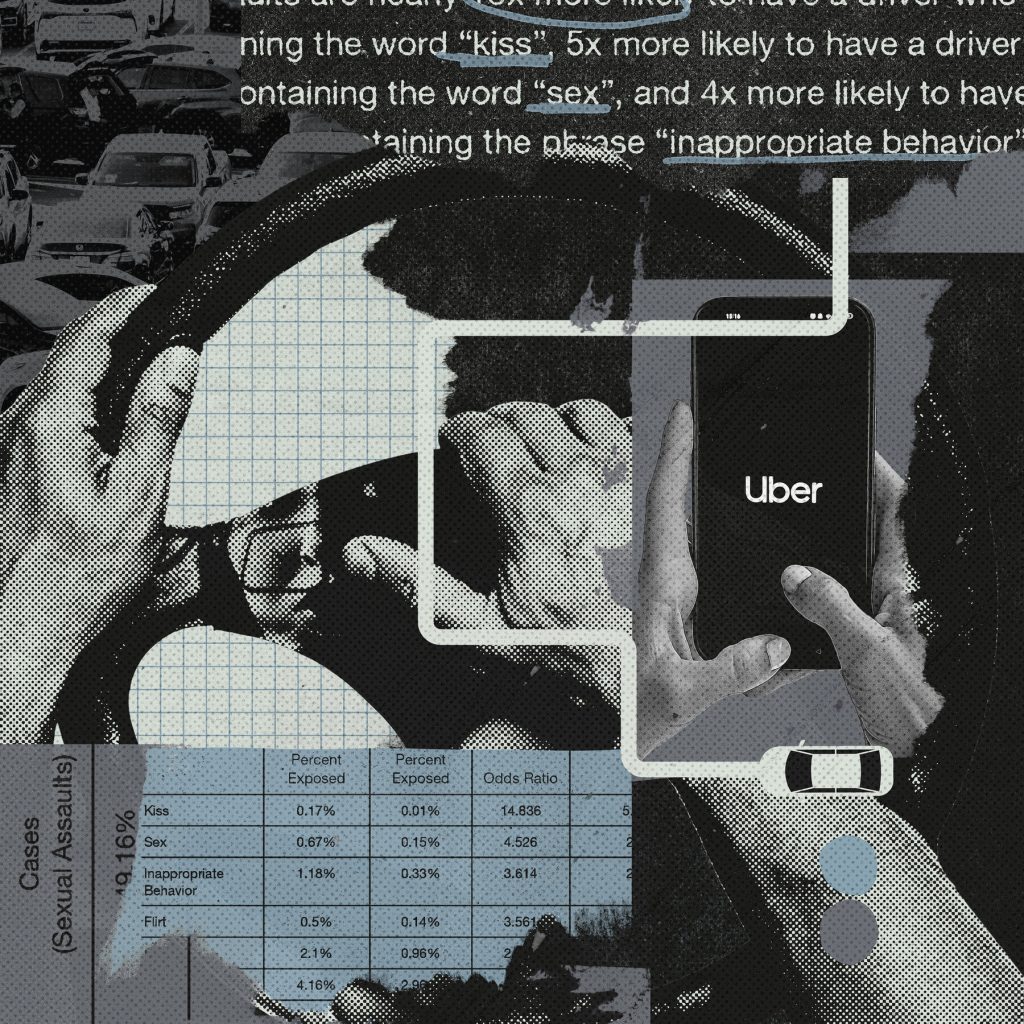
In recent months, Uber has intensified its efforts to identify and remove drivers who pose a risk to passengers. The ride‑hailing giant says it now scrutinizes rider feedback more closely than ever, looking for patterns that could indicate unsafe or inappropriate behavior.
The company relies on a combination of real‑time passenger ratings, written complaints, and automated algorithms that flag accounts showing repeated red flags. When a driver receives multiple reports of “risky” conduct, the system generates an alert for further review by Uber’s safety team.
Investigations have revealed that several drivers accused of sexual assault had already been the subject of earlier complaints. In many cases, the earlier reports were limited to “uncomfortable” or “inappropriate” remarks, but they were not enough to trigger an immediate suspension.
Only after a formal police investigation or a severe allegation does Uber typically take decisive action, such as deactivating the driver’s account and cooperating with law‑enforcement agencies.
For passengers, the heightened monitoring offers a measure of reassurance, but the persistence of accused drivers on the platform raises concerns. Uber advises riders to report any suspicious behavior promptly and to use the in‑app safety features, such as the emergency button and trip‑sharing options.
Uber says it is reviewing its policies to ensure that even minor complaints are taken seriously and acted upon more swiftly. The company has pledged to increase transparency around driver deactivations and to provide clearer guidance on how riders can protect themselves during trips.