Aydın,
8°C
açık


Across the war‑torn regions of Ukraine, the daily reality for most citizens is a relentless battle against rolling blackouts. Power outages have become a routine part of life, disrupting hospitals, schools, and the ability to keep families warm during the harsh winter months.
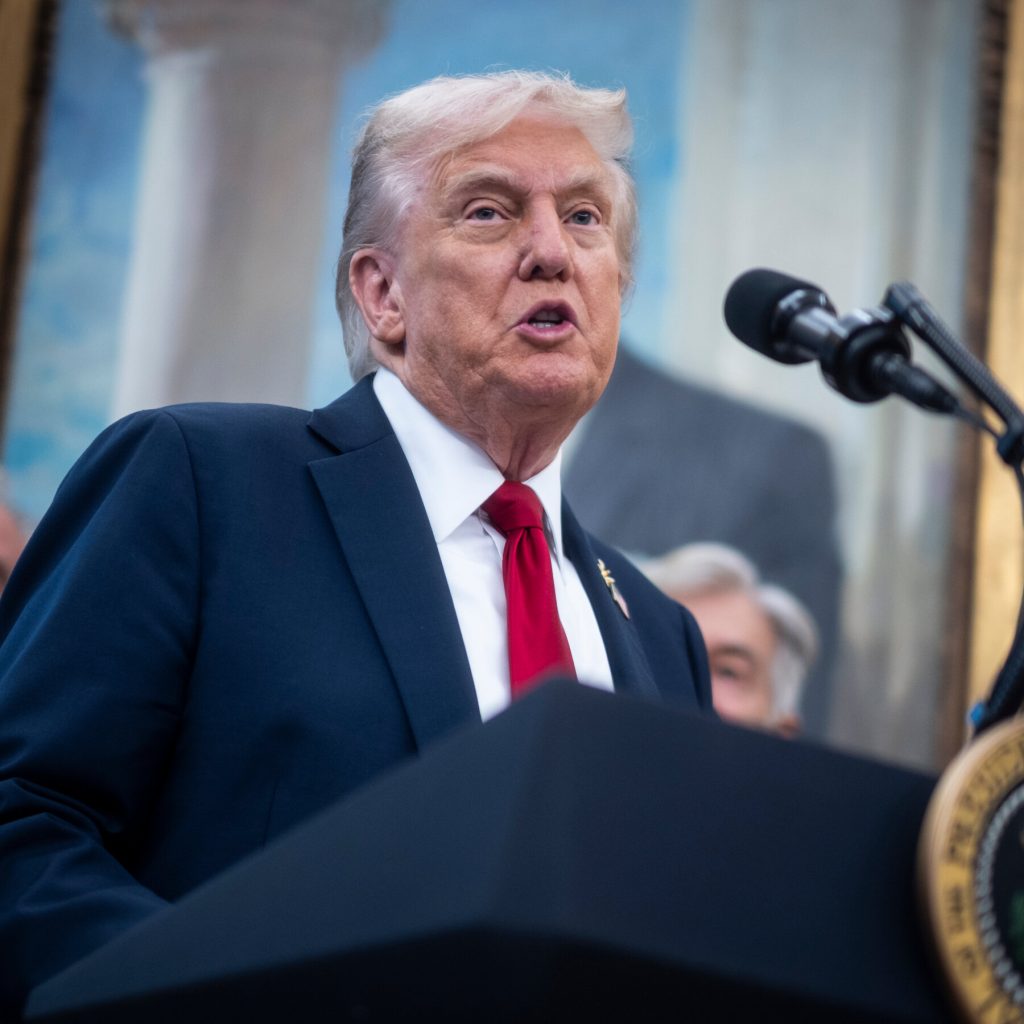
Many Ukrainians understand the delicate diplomatic choreography that their leaders must perform to keep President Donald Trump and other Western officials engaged. However, this awareness does not lessen the fatigue that comes from hearing endless promises of peace while their own lights keep flickering off.
For a country already bearing the weight of an ongoing conflict, reliable electricity is not a luxury—it is essential for:
When these basic needs are jeopardized, diplomatic overtures can feel like background noise rather than a solution.
Recent statements from the United States, calling for a swift cease‑fire and negotiations, have been met with skepticism. Many Ukrainians view these pronouncements as an attempt to appear proactive without addressing the immediate humanitarian crisis on the ground.
“We hear the calls for peace, but we cannot negotiate while our children are sitting in the dark,” said one resident of Kharkiv. “What we need now is a stable power grid, not more political posturing.”
While diplomatic channels remain open, the Ukrainian public is pressing their government to prioritize infrastructure repairs and secure alternative energy supplies. International aid focused on restoring electricity is being demanded more urgently than any new peace proposal.
Until the lights stay on, the message from the streets will continue to be clear: peace talks are welcome, but not at the expense of basic survival.