Aydın,
2°C
parçalı bulutlu

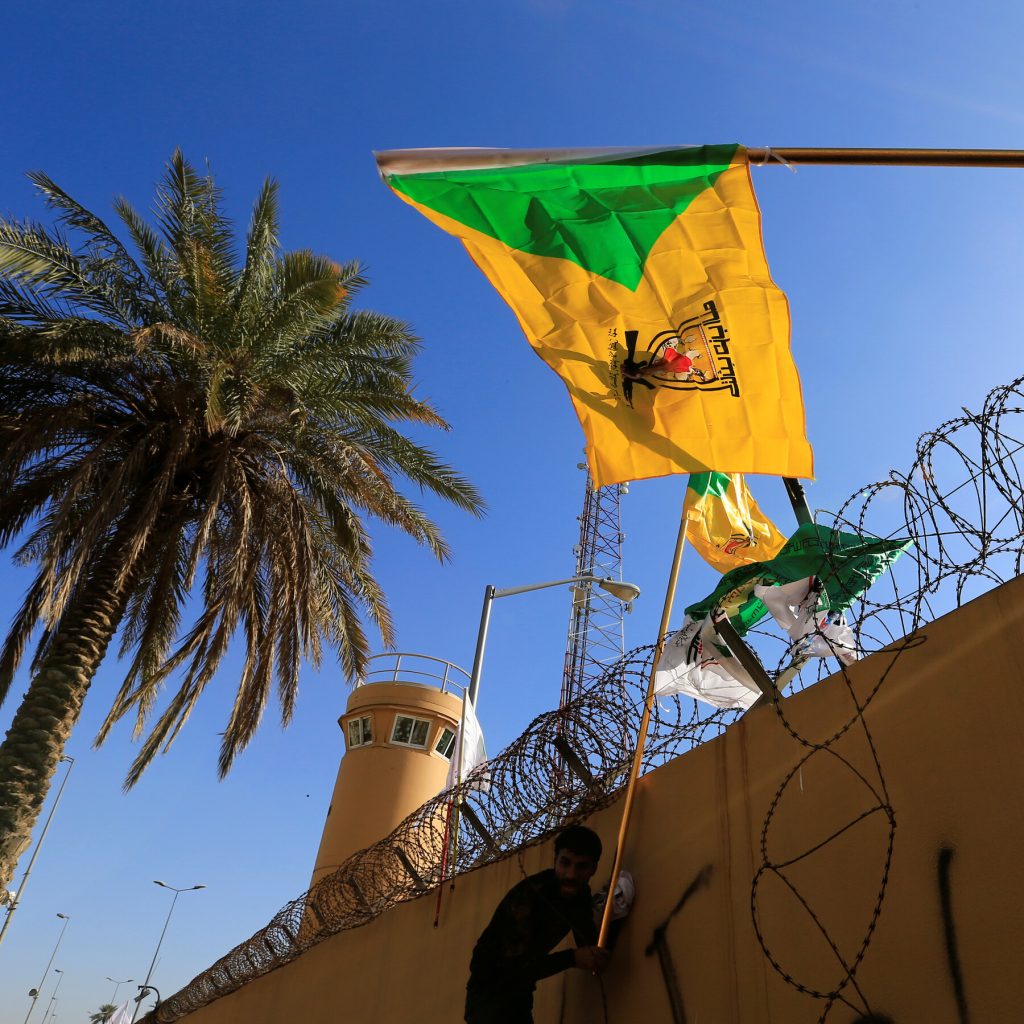
Kataib Hezbollah, a radical Iraqi militia with strong ties to Iran, has been at the center of international attention due to its role in holding Elizabeth Tsurkov, a dual citizen of Israel and Russia, captive for over two years. The militia, known for its hard-line stance and alleged human rights abuses, has been a key player in Iraq’s complex and often volatile security landscape.
Tsurkov, a researcher and journalist, was kidnapped in March 2020 by Kataib Hezbollah militants in Baghdad. Her captivity was only recently confirmed, and details about her detention and treatment remain scarce. The circumstances surrounding her abduction and prolonged detention have raised concerns about the militia’s activities and the broader implications for regional stability.
Kataib Hezbollah, also known as the Hezbollah Battalions, is a Shia militia that was established in 2006 with the support of Iran’s Revolutionary Guard Corps (IRGC). The group has been involved in various military and political activities in Iraq, often operating outside the purview of the Iraqi government. Its alleged links to Iran have sparked concerns about Iranian influence in Iraq and the potential for proxy warfare.
The militia has been accused of numerous human rights abuses, including abductions, torture, and extrajudicial killings. Its fighters have also been implicated in attacks against Iraqi civilians, as well as against members of other militias and government forces. Despite these allegations, Kataib Hezbollah has maintained a significant presence in Iraq’s security landscape, often operating with relative impunity.
The case of Elizabeth Tsurkov highlights the complexities and challenges surrounding Kataib Hezbollah’s activities in Iraq. Her prolonged captivity has sparked international calls for her release, as well as condemnations of the militia’s actions. The incident has also raised questions about the Iraqi government’s ability to control and regulate the activities of various militias operating within the country.
As efforts continue to secure Tsurkov’s release, the international community remains focused on understanding the dynamics and implications of Kataib Hezbollah’s actions. The group’s ties to Iran, its alleged human rights abuses, and its role in regional conflicts have significant implications for Middle East stability and global security.