Aydın,
-4°C
açık

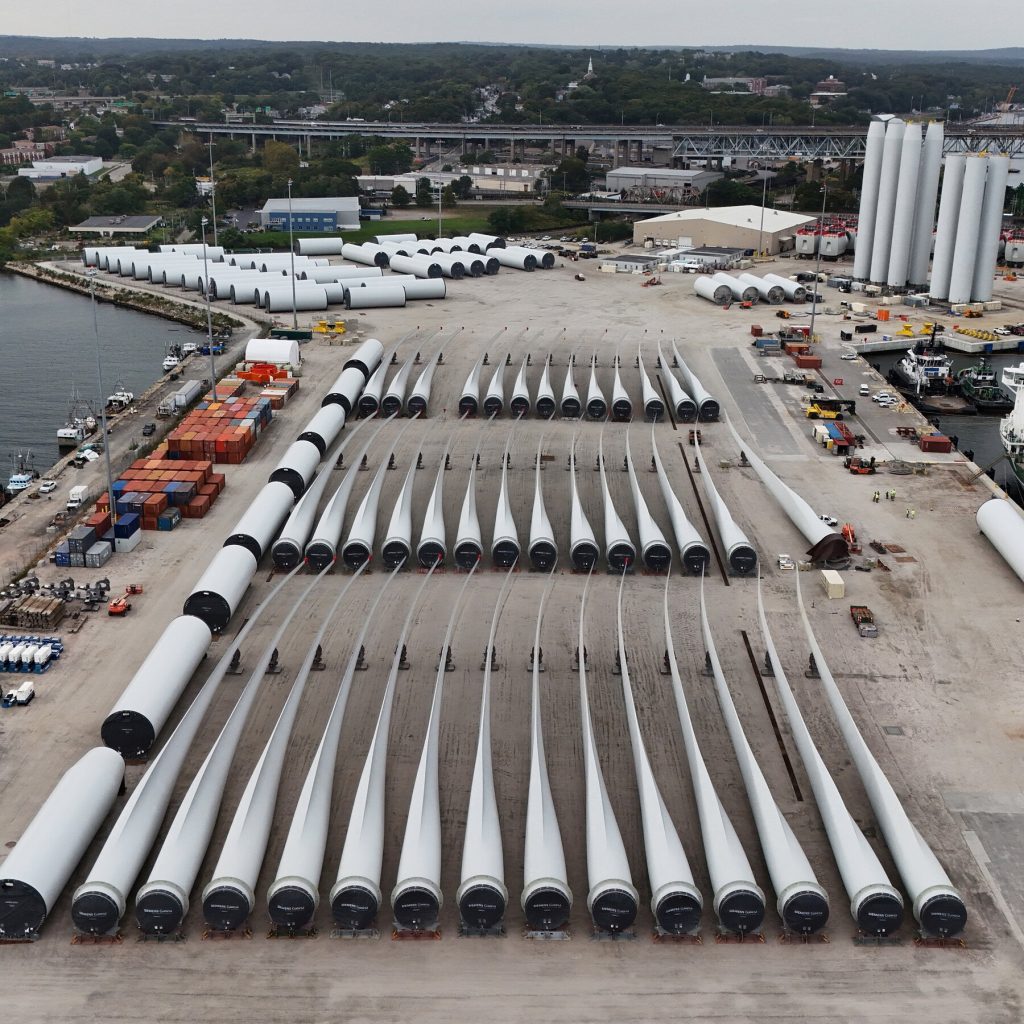
In a surprising turn of events, oil executives have emerged as unexpected critics of President Trump’s recent attacks on wind energy. While it might seem counterintuitive for oil industry leaders to speak out against a renewable energy source that could potentially disrupt their business model, their concerns are rooted in the economic implications of the Trump administration’s policies.
According to sources, business leaders and trade organizations have expressed significant worry over the attempts to halt work on wind farms that had already secured federal approval. The uncertainty and unpredictability surrounding the Trump administration’s energy policies have created a sense of unease among industry stakeholders, who fear that such actions could have far-reaching consequences for the economy.
The oil executives’ criticism of Trump’s attacks on wind energy stems from the fact that many of these wind farms have already secured long-term contracts and investments. Halting these projects would not only lead to financial losses but also undermine the stability and reliability of the energy market. Furthermore, the oil industry is well aware that a transition to renewable energy sources is inevitable, and attempting to stifle the growth of wind energy could ultimately harm their own interests.
The backlash from oil executives highlights the complexities of the energy landscape and the need for a more nuanced approach to energy policy. As the world continues to grapple with the challenges of climate change, energy security, and economic growth, it is becoming increasingly clear that a balanced and sustainable energy strategy is essential. The unexpected criticism from oil executives serves as a reminder that the energy sector is more interconnected than ever, and that cooperation and collaboration are crucial for a successful transition to a low-carbon future.