Aydın,
2°C
parçalı bulutlu

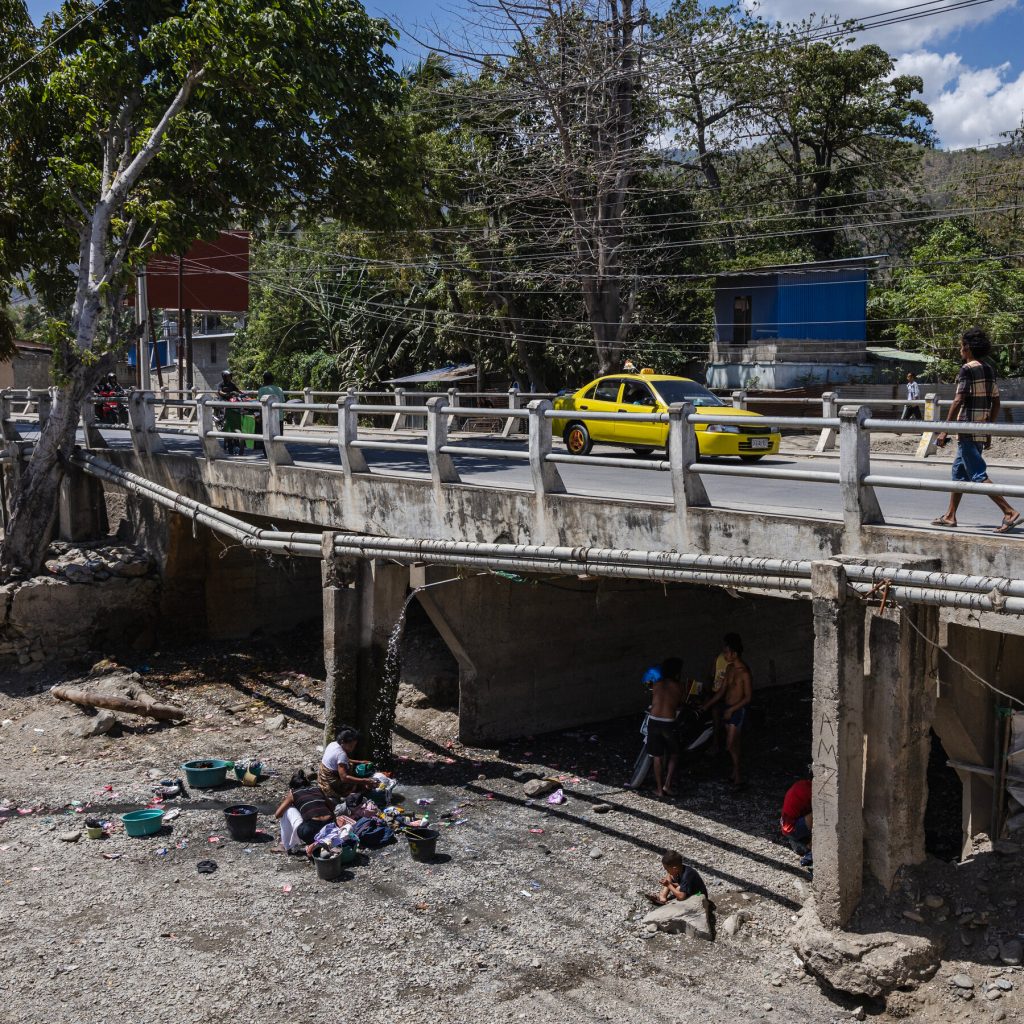
In a shocking move, the United States has decided to retreat from a long-planned sewage treatment plant in East Timor, a project that had been hailed as a crucial step towards providing clean water and sanitation to the country’s capital, Dili. The US Millennium Challenge Corporation (MCC), a foreign aid agency, had previously committed hundreds of millions of dollars to the project, which was expected to have a significant impact on the country’s dire water and sanitation crisis.
The proposed plant was designed to treat wastewater and provide a reliable source of clean water for the city’s residents, who currently suffer from a lack of access to basic sanitation facilities. The project was seen as a vital component in the country’s efforts to improve public health and economic development. However, in a surprising turn of events, the MCC’s board of directors has announced that it wants to pull out of the agreement, citing unspecified concerns about the project’s viability.
The decision has sparked disappointment and frustration among East Timorese officials and residents, who had been eagerly anticipating the benefits that the sewage plant would bring. “This project was supposed to be lifesaving,” said a senior government official, who wished to remain anonymous. “We’re extremely disappointed that the US has decided to back out. We had been counting on this project to help us address our water and sanitation crisis.”
The MCC had initially agreed to provide $336 million in funding for the project, which was expected to be completed by 2025. However, the agency’s board has now decided to redirect those funds to other projects, sparking concerns about the impact on East Timor’s development prospects. The country’s government has been left scrambling to find alternative funding sources to complete the project, which is seen as a critical component of its development strategy.
The US decision to pull out of the project has raised questions about the country’s commitment to supporting development in East Timor, a nation that gained independence from Indonesia in 2002. The MCC’s retreat from the project has also sparked concerns about the potential consequences for the country’s public health and economic development. As one Dili resident noted, “We need clean water and sanitation facilities to improve our lives. It’s disappointing that the US is not willing to support us in this effort.”