Aydın,
-4°C
açık

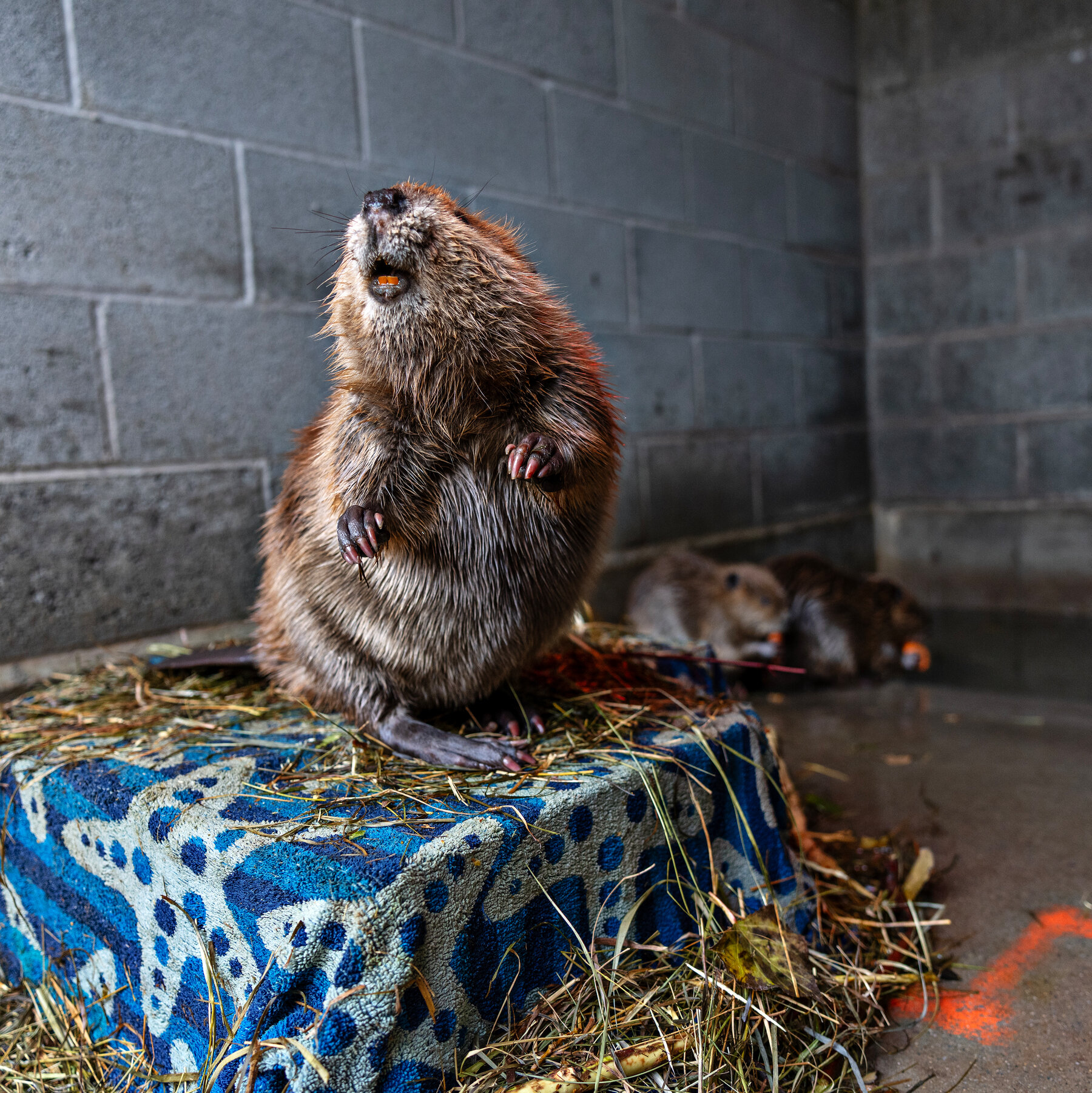
In many parts of Utah, beaver dams have earned a reputation for causing unwanted flooding. When water backs up onto roads, agricultural fields, and private property, residents often view the industrious rodents as a nuisance rather than a natural asset.
Recent studies, however, suggest that the same dams that create short‑term inconvenience can provide long‑term ecological benefits. By slowing runoff, beaver ponds increase groundwater recharge, improve water quality, and create habitat for a variety of wildlife.
The Utah Division of Wildlife Resources, in partnership with local conservation groups, has begun a pilot program to relocate beavers from high‑conflict zones to areas where their engineering can be advantageous. The effort involves:
In the foothills of the Wasatch Range, a family of relocated beavers has already constructed a series of small dams that have:
Not everyone is convinced. Some landowners worry that the new ponds could encroach on grazing land or increase mosquito populations. As one rancher put it, “We need to make sure the beavers don’t turn our pastures into swamps.” State officials are addressing these concerns by establishing clear buffer zones and offering compensation for any property damage.
If the pilot proves effective, Utah plans to expand the program to additional watersheds, turning beaver activity into a tool for climate‑resilient water management. By balancing human needs with wildlife conservation, the state hopes to rewrite the narrative around these “nature’s engineers” and demonstrate that, in the right setting, more water can indeed be a big help.