Aydın,
8°C
açık

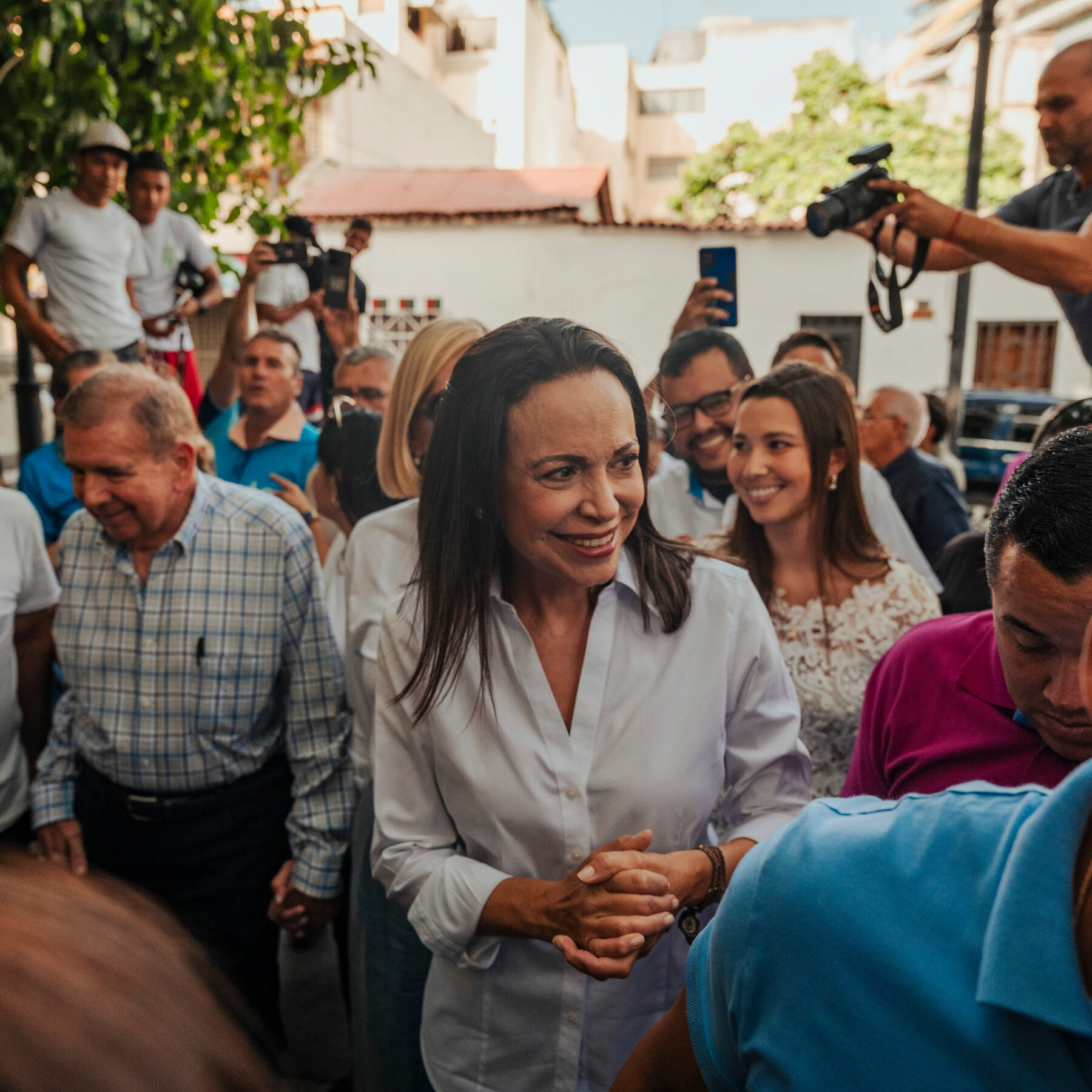
Maria Corina Machado, a prominent opposition figure in Venezuela, has recently been accused of inflating the dangers posed by President Nicolás Maduro. Critics argue that her statements are designed to create a pretext for foreign intervention, particularly from the United States, aimed at toppling the government.
In a series of interviews and public speeches, Machado has alleged that Maduro’s regime is engaged in systemic human‑rights violations, massive corruption, and a coordinated plan to “eradicate democratic freedoms”. She has also suggested that the situation is deteriorating so rapidly that only direct U.S. military action can prevent a humanitarian catastrophe.
Political analysts and regional observers contend that Machado’s rhetoric is exaggerated and lacks concrete evidence. They point out that while Venezuela faces severe economic and social challenges, the narrative of an imminent, all‑out crisis appears to be overstated to rally international support.
“The opposition’s alarmist language serves more to legitimize external pressure than to reflect the lived realities of ordinary Venezuelans,” noted Dr. Luis Pérez, a professor of Latin American studies at the University of Caracas.
The United States has expressed “deep concern” over the alleged abuses, yet officials remain cautious about endorsing any military solution. A spokesperson for the State Department stated, “We are closely monitoring the situation, but any decision regarding force must be grounded in verified facts, not political hyperbole.”
If Machado’s warnings are taken at face value, they could pave the way for increased diplomatic isolation of Maduro’s government and potentially justify foreign intervention. However, many observers warn that such a path may exacerbate instability and undermine the very democratic principles the opposition claims to champion.
While the plight of Venezuelans undeniably warrants international attention, the debate over Machado’s portrayal of the crisis highlights a broader tension: the line between legitimate advocacy and the manipulation of narratives for geopolitical ends.