Aydın,
8°C
açık

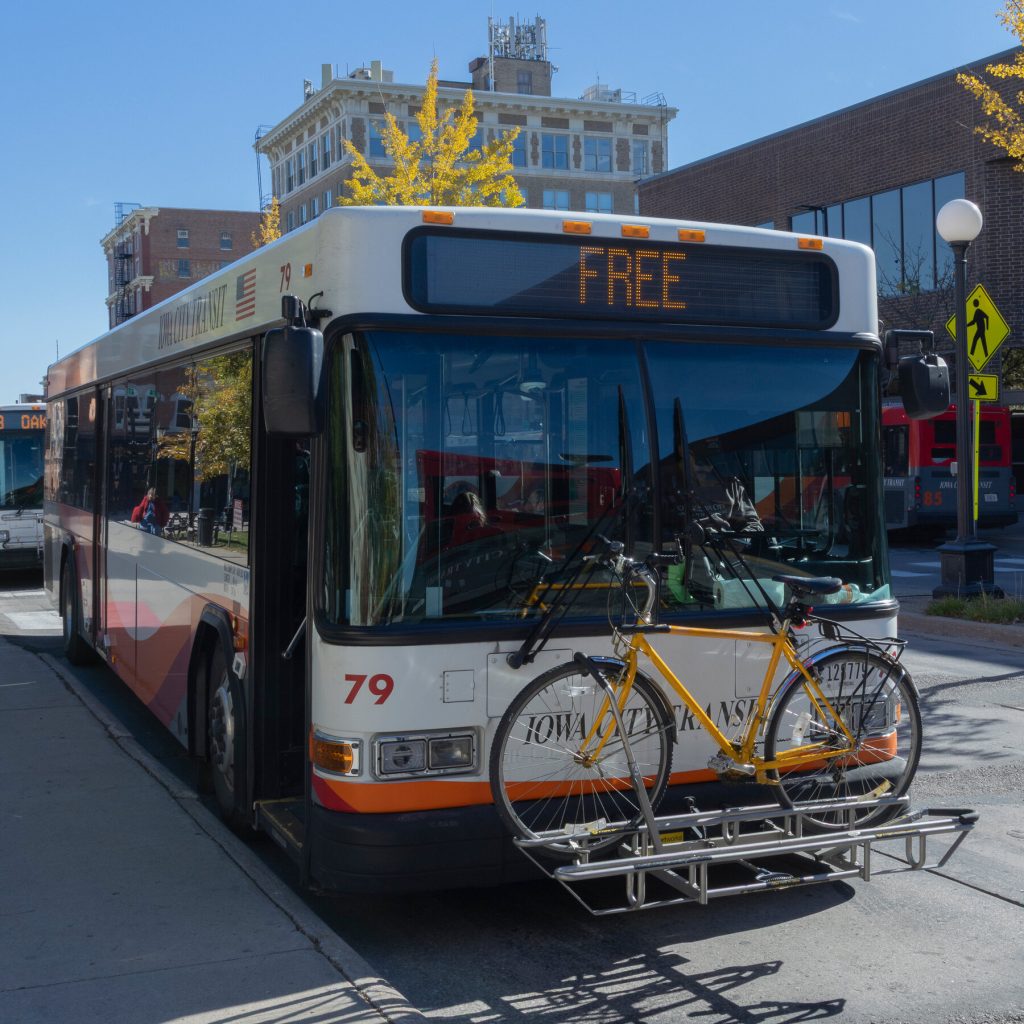
Two years ago, the Midwestern city of Iowa City made a bold decision to eliminate fares on its public bus system. The primary goal was to cut greenhouse‑gas emissions by encouraging more residents to choose transit over driving.
Removing the cost barrier not only makes transportation more equitable, but it also boosts ridership. Higher passenger numbers mean fewer cars on the road, which directly translates to lower carbon output and improved air quality.
Since the fare‑free policy took effect, the city has reported a 15% increase in bus usage. Preliminary data suggest a modest yet measurable decline in local emissions, reinforcing the notion that affordable transit can be an effective climate‑action tool.
New York City faces similar challenges—congestion, air pollution, and the need for more inclusive mobility. Iowa City’s experience shows that a fare‑free model can be a viable piece of a broader sustainability strategy, especially when paired with investments in service frequency and reliability.
As Iowa City continues to monitor environmental and social outcomes, other municipalities, including New York, can study its data to design tailored, fare‑free pilot programs that address local transportation equity and climate goals.