Aydın,
-4°C
açık

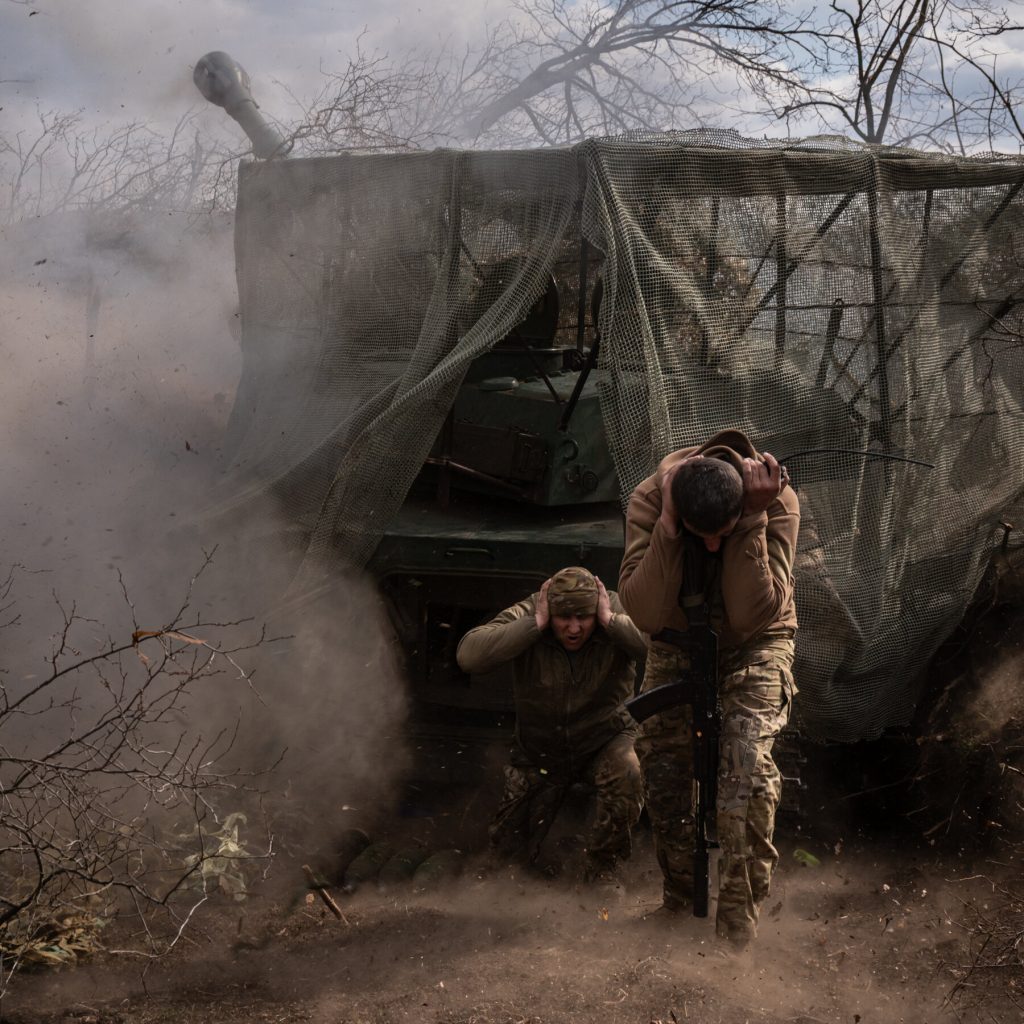
The draft peace framework sets out a comprehensive agenda that touches on every major facet of the conflict. It addresses territorial adjustments, outlines a suite of security guarantees, and sketches a roadmap for post‑war reconstruction. The plan is intended to serve as a starting point for negotiations rather than a final settlement.
Among the most contentious items are the proposed borders. The plan calls for a phased withdrawal of Russian forces from occupied regions, followed by internationally supervised referenda to determine the future status of disputed areas. It also suggests the establishment of a demilitarised zone along the current front line.
To address the security concerns of both sides, the document proposes:
The plan allocates funds for rebuilding infrastructure, homes, and public services in war‑torn areas. It calls for a multilateral fund managed by the World Bank and the European Bank for Reconstruction and Development, with contributions from donor nations and private investors.
Despite the detailed outline, Russian officials have shown little appetite for a swift resolution. Moscow has repeatedly emphasized its demand for “security guarantees” that it perceives as lacking in the current draft, and it has signaled that any concession will be contingent on broader geopolitical considerations.
While the 20‑point plan offers a structured approach to ending the war, its success hinges on the willingness of both parties to compromise. International actors continue to press for dialogue, but the path to a durable peace remains uncertain.