Aydın,
-4°C
açık

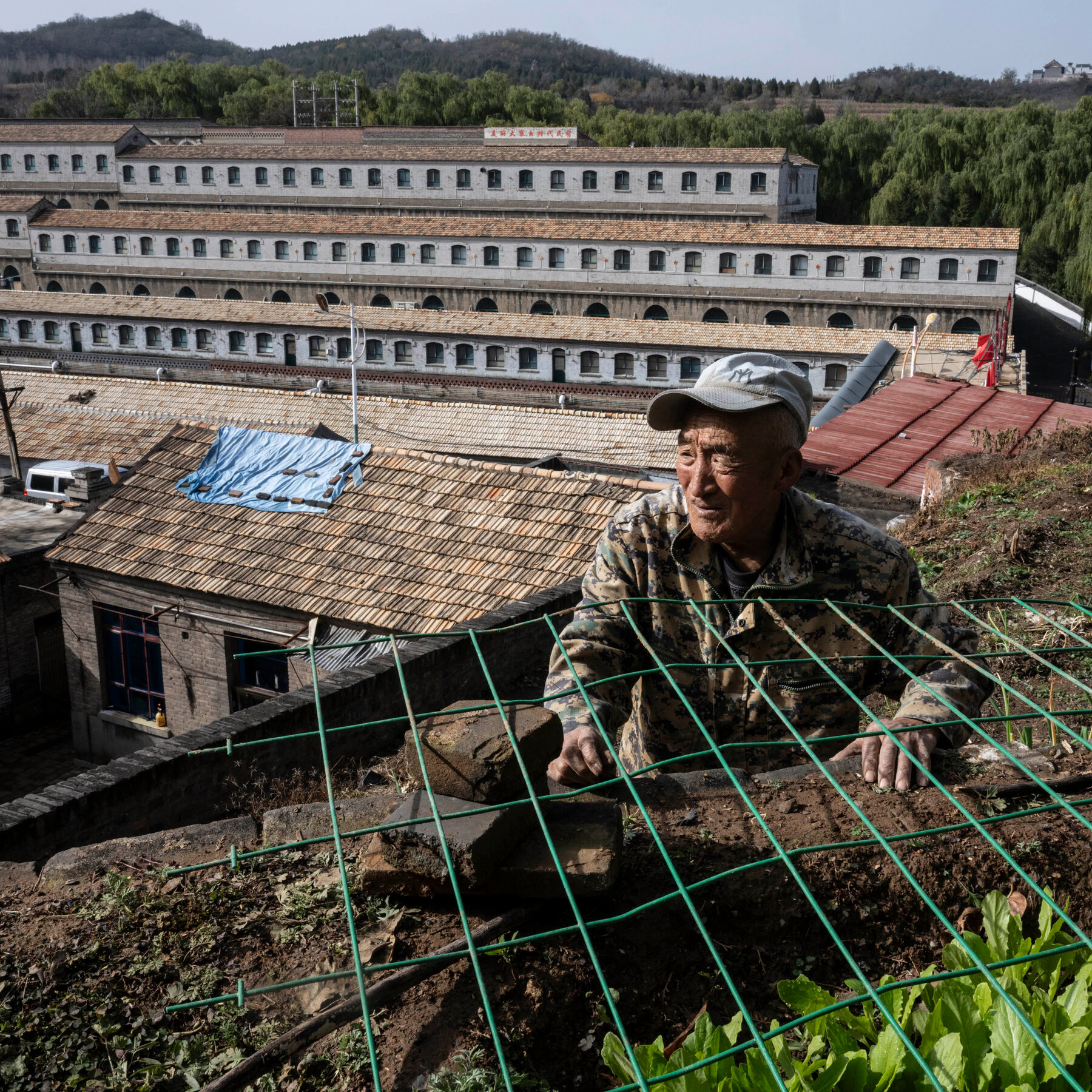
In the 1960s, the tiny village of Shuangfeng in central China was elevated to a national emblem of Mao Zedong’s “self‑reliance” policy. The government showcased its neat rows of collective farms, modest brick houses, and a towering statue of Chairman Mao as proof that ordinary peasants could build a socialist utopia without foreign aid.
Today, the same red‑painted walls frame souvenir shops, the statue is surrounded by selfie sticks, and a steady stream of domestic and foreign visitors line up for guided tours that charge admission fees. The slogan on the village gate still reads “自力更生” (“Self‑Reliance”), but the meaning has shifted from political doctrine to a marketing tagline.
During the Cultural Revolution, Shuangfeng was selected as a “model commune” because its residents had achieved record grain yields using only locally produced tools and fertilizers. Photographs of the village were broadcast on national television, and delegations from other provinces were sent to study its methods.
However, the Great Leap Forward’s disastrous policies and the subsequent economic reforms of the 1980s exposed the limits of the self‑reliance model. As private farming was re‑legalized, many villagers abandoned collective work, and the state reduced its subsidies. By the early 1990s, the once‑celebrated commune had slipped into relative obscurity.
In 2005, local officials recognized the tourism potential of the village’s historic architecture and its iconic statue. They invested in paved roads, a small museum, and a “Red Heritage” gift shop. The museum now displays original propaganda posters, a rusted plow used by the first collective, and audio recordings of Mao’s speeches.
Guided tours charge ¥120 per person, and the souvenir shop sells items ranging from miniature red flags to T‑shirts emblazoned with the old slogan. Many of the younger villagers have found steady income as tour guides, café owners, or artisans producing traditional handicrafts for the influx of tourists.
While the tourism boom has revitalized the local economy, it also raises questions about historical authenticity. Some former residents argue that the village’s narrative is being “sanitized” for profit, with little acknowledgment of the hardships endured during the collectivization era.
To address these concerns, the museum recently added a “Voices of the Past” exhibit, featuring recorded interviews with elderly villagers who lived through the 1960s campaigns. The exhibit aims to balance the celebratory atmosphere with a more nuanced reflection on the village’s complex legacy.
As China continues to promote “red tourism” as a way to boost regional development, Shuangfeng stands as a vivid illustration of how a site of ideological purity can be repurposed for contemporary consumption. The red banner still flies high, but now it waves over a bustling marketplace where tourists pay not for grain, but for a glimpse into a bygone chapter of Chinese history.