Aydın,
-4°C
açık

On 8 July, Myanmar’s military‑run administration organised a nationwide vote that many observers have dismissed as a far‑cooked façade. The ballot, lacking genuine competition or independent monitoring, is widely seen as an attempt by the junta to manufacture a veneer of legitimacy after months of nationwide protests and international condemnation.
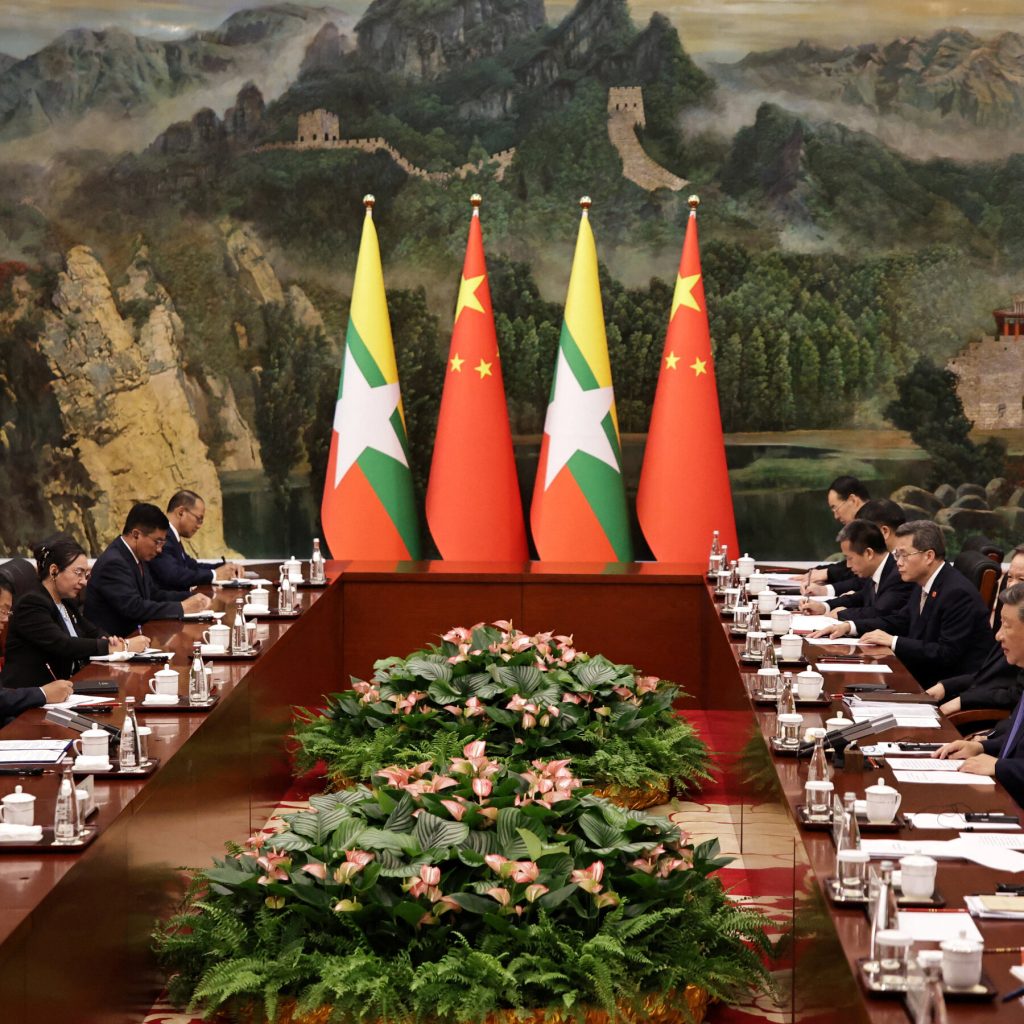
Behind the scenes, the People’s Republic of China is quietly supporting the process. While China publicly champions the principle of “non‑interference,” it has a clear interest in shaping Myanmar’s political landscape:
Chinese diplomats have been spotted attending the voting events, and Beijing’s state media have highlighted the “participatory spirit” of Myanmar’s citizens. Moreover, Chinese companies have pledged technical assistance for the electoral infrastructure, offering equipment and expertise that the junta can use to claim a modern, “transparent” process.
Western governments and human‑rights organisations have condemned the vote as a charade, urging the United Nations to refuse any recognition of its results. Yet China’s tacit endorsement complicates diplomatic pressure, as many ASEAN members remain wary of confronting a neighbour that wields considerable economic clout.
If the election is accepted by the international community, even superficially, the military regime could consolidate power while enjoying renewed Chinese backing. Conversely, a continued perception of illegitimacy may fuel further unrest, potentially destabilising the region and testing China’s tolerance for a protracted conflict on its border.