Aydın,
4°C
parçalı bulutlu

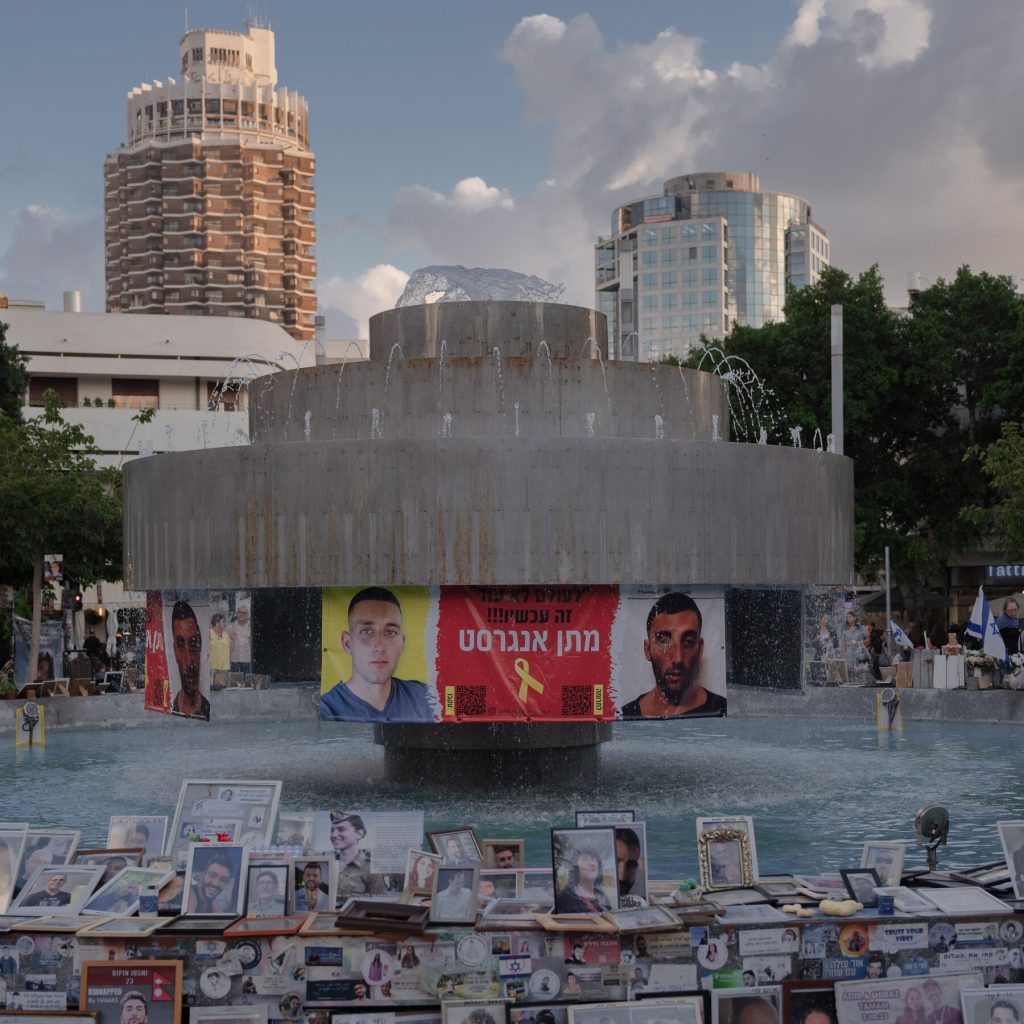
As the situation in Gaza continues to escalate, a pressing question lingers: why did the opportunity to secure a hostage deal and broker a cease-fire elude diplomatic efforts months ago? The answer lies in the complex dynamics of the conflict and the shifting stance of the United States, particularly under the administration of President Trump.
In the early stages of Israel’s offensive in Gaza, the international community was vocal in its calls for an immediate cease-fire. However, the Trump administration notably refrained from applying significant pressure on Israel to halt its military operations. This period was marked by a lack of clear guardrails from the United States, which effectively gave Israel considerable latitude to pursue its objectives with minimal diplomatic constraint.
The initial reluctance of the Trump administration to intervene decisively in favor of a cease-fire was seen as a departure from the more traditional role of the United States as a key mediator in Middle Eastern conflicts. This stance was despite widespread international appeals for restraint and a return to negotiations. The situation on the ground in Gaza grew increasingly dire, with mounting civilian casualties and a deteriorating humanitarian crisis.
However, in a sudden shift, President Trump changed course. The specifics of this reversal and the factors influencing it remain a subject of analysis, but it marked a critical juncture. The change in approach came at a time when the global community was redoubling its efforts to prevent further escalation and to find a pathway to peace.
The delay in achieving a hostage deal and a cease-fire highlights the challenges of international diplomacy in regions fraught with longstanding conflicts. It underscores the importance of timely and decisive action by major powers, like the United States, in leveraging their influence to prevent humanitarian crises and foster conditions conducive to peace negotiations.
In reflecting on these lost chances, it becomes clear that the window for diplomatic intervention was open, but the moment passed. The current situation, with renewed urgency and international focus on reaching a cease-fire and hostage agreement, underscores the imperative for swift and effective diplomacy. The path forward will require sustained and coordinated international efforts to address the root causes of the conflict and to secure a lasting peace in Gaza and beyond.