Aydın,
-4°C
açık

Recent epidemiological data reveal a noticeable increase in the incidence of eight specific cancer types among people under 40. Breast, colorectal, thyroid, melanoma, testicular, lymphoma, pancreatic, and brain cancers are all showing higher diagnosis rates in this age group compared to previous decades.
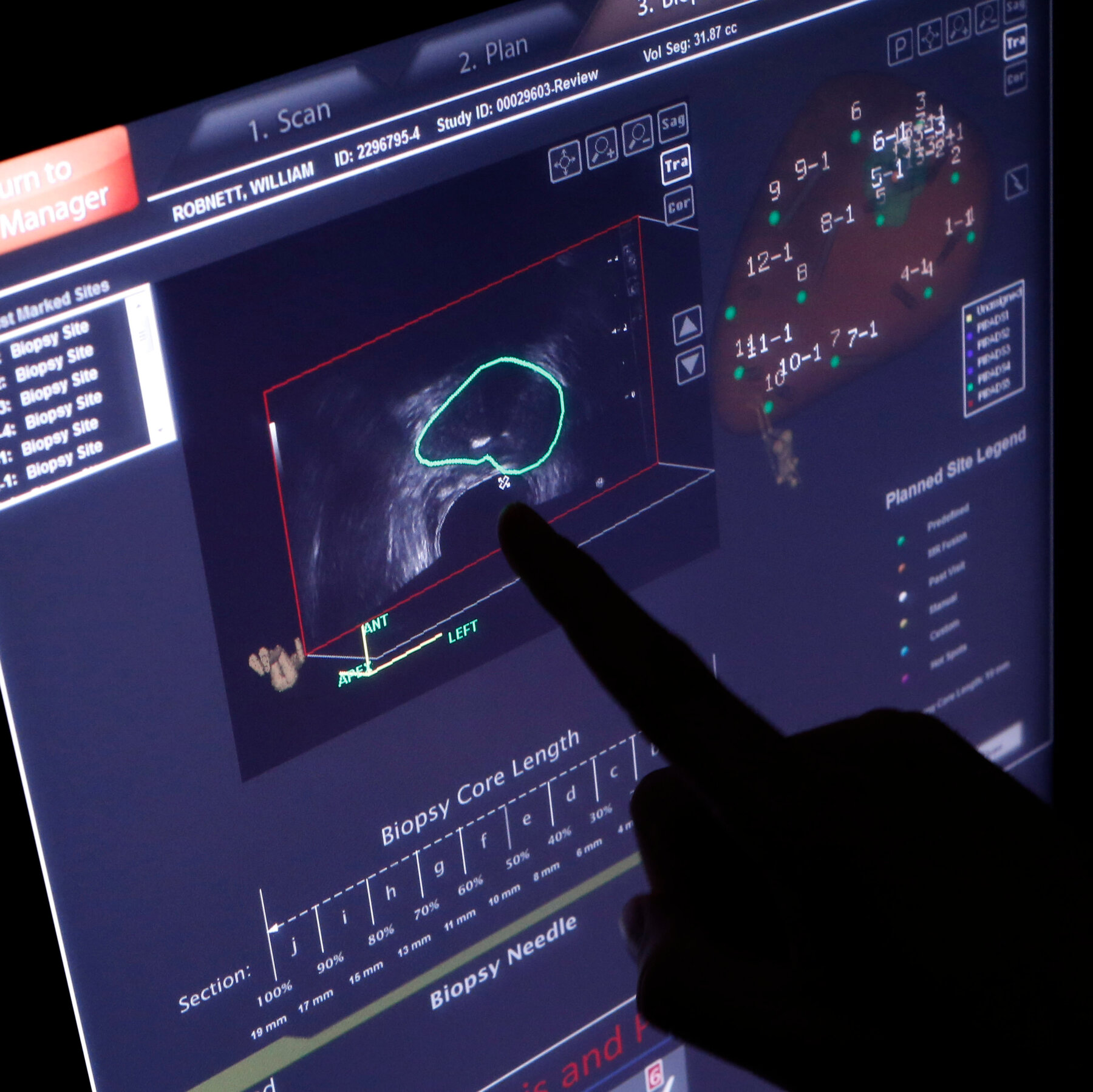
The surge in early‑detection screening programs has undoubtedly saved lives, but it has also sparked a contentious debate: are we identifying tumors that would never have caused harm if left undiscovered? Critics point to the phenomenon of “overdiagnosis,” where cancers are found incidentally—often through advanced imaging or routine blood tests—yet would have remained indolent for the patient’s entire lifetime.
Several oncologists caution that aggressive intervention in low‑risk cases can lead to unnecessary surgeries, radiation, and chemotherapy, each carrying its own set of short‑ and long‑term side effects. Dr. Elena Morales, a senior researcher at the National Cancer Institute, notes, “We must balance the benefits of early detection with the potential harms of treating lesions that might never progress.”
In response to growing concerns, professional societies are revising screening guidelines to incorporate risk‑stratified approaches. These revisions emphasize shared decision‑making, allowing patients to weigh the likelihood of disease progression against the physical and emotional costs of treatment.
While the upward trend in cancer diagnoses among younger individuals is undeniable, the medical community continues to explore more nuanced strategies. By refining diagnostic criteria and improving predictive models, doctors hope to distinguish between tumors that demand immediate action and those that can be safely monitored, ultimately reducing the burden of overtreatment.