Aydın,
-4°C
açık

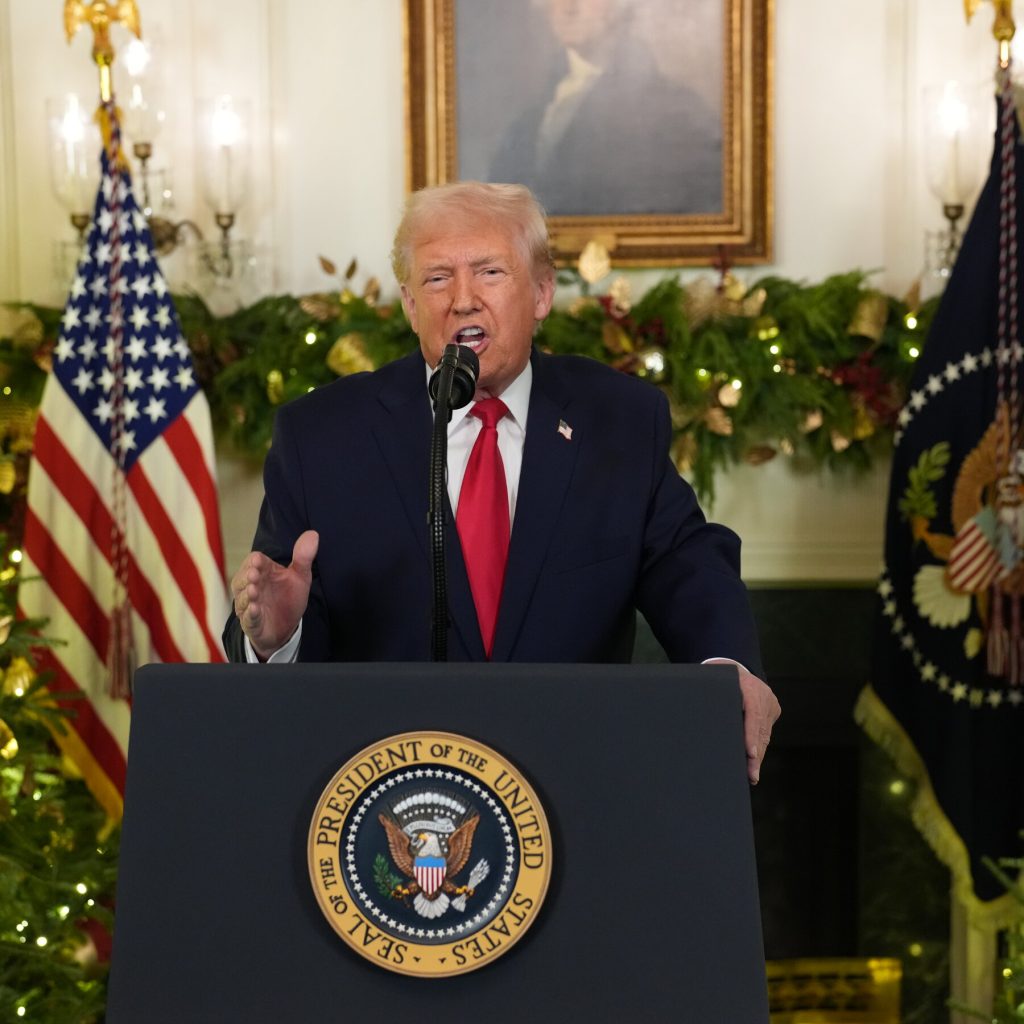
In a recent rally, President Trump highlighted what he called “record‑setting economic achievements,” touting low unemployment, tax cuts, and deregulation as evidence of his administration’s success. He framed the nation’s financial health as a direct result of his policies, urging supporters to reject any criticism as politically motivated.
Despite the president’s upbeat narrative, many Americans are confronting a different reality. Stubborn inflation continues to erode purchasing power, while the labor market shows signs of cooling. Prices for groceries, gas, and rent remain high, and wage growth is not keeping pace.
Core consumer prices have hovered above the Federal Reserve’s target for months, driven by persistent supply‑chain disruptions and elevated energy costs. Even as headline inflation shows modest declines, the underlying price pressures keep everyday expenses out of reach for many families.
The once‑robust job market is beginning to slow. Recent data reveal a rise in job openings without a corresponding increase in hires, and the unemployment rate, while still low, has ticked upward. Workers are feeling less confident about job security, prompting a cautious approach to spending.
If the affordability crunch deepens, it could undermine the president’s narrative of economic triumph. Voters who are directly affected by rising costs may become skeptical of the administration’s claims, potentially influencing upcoming elections.
Addressing the affordability challenge will require more than rhetorical victories. Policies aimed at curbing inflation, expanding affordable housing, and supporting wage growth will be essential if the administration hopes to maintain public confidence. Until then, the “affordability crisis” is poised to remain a persistent concern for many Americans—and a political hurdle for President Trump.