Aydın,
1°C
açık

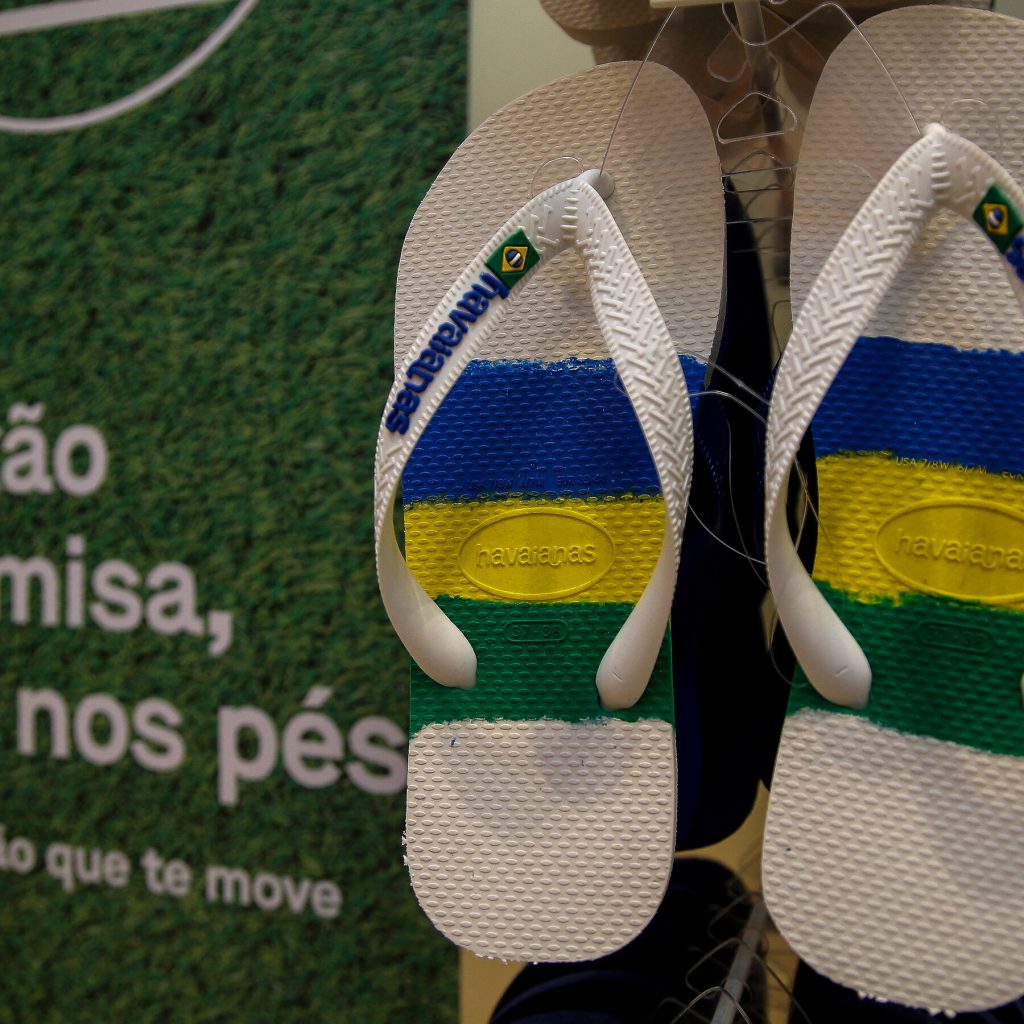
For decades, Havaianas flip‑flops have been a beloved global symbol of Brazilian culture, worn by millions of people every day. Today, however, the iconic sandal has become entangled in a heated political dispute.
Founded in 1962 in Rio de Janeiro, Havaianas started as a modest rubber sandal brand. Its bright colors, simple design, and affordable price quickly turned it into a staple of beach life in Brazil and, eventually, a worldwide fashion phenomenon. From surfers in California to fashion runways in Paris, the flip‑flop has transcended its humble origins.
In recent months, several right‑wing political groups in Brazil and abroad have launched a campaign to boycott Havaianas. The movement is driven by three main grievances:
The boycott aligns with a broader trend of right‑leaning parties using consumer choices as a tool for political messaging. By targeting a popular, everyday product, they aim to mobilize supporters and signal opposition to what they perceive as “left‑leaning corporate activism.”
Havaianas has defended its practices, emphasizing recent investments in fair‑trade certification and a new sustainability roadmap that pledges to reduce carbon emissions by 30% over the next five years. The company also points to its long‑standing support for community projects in Brazil, arguing that these initiatives demonstrate genuine social responsibility.
Public reaction is mixed. While some consumers have joined the boycott, citing ethical concerns, many others view the campaign as an overreach, insisting that a sandal should remain a matter of personal taste rather than political ideology.
Whether the boycott will have a lasting impact on Havaianas’ sales remains uncertain. Analysts suggest that the brand’s global reach and strong brand loyalty could cushion short‑term losses, but they also warn that sustained negative publicity may force the company to accelerate its environmental and labor reforms.
In the meantime, the debate over Havaianas serves as a reminder of how everyday consumer goods can become flashpoints in larger cultural and political battles.