Aydın,
1°C
parçalı bulutlu

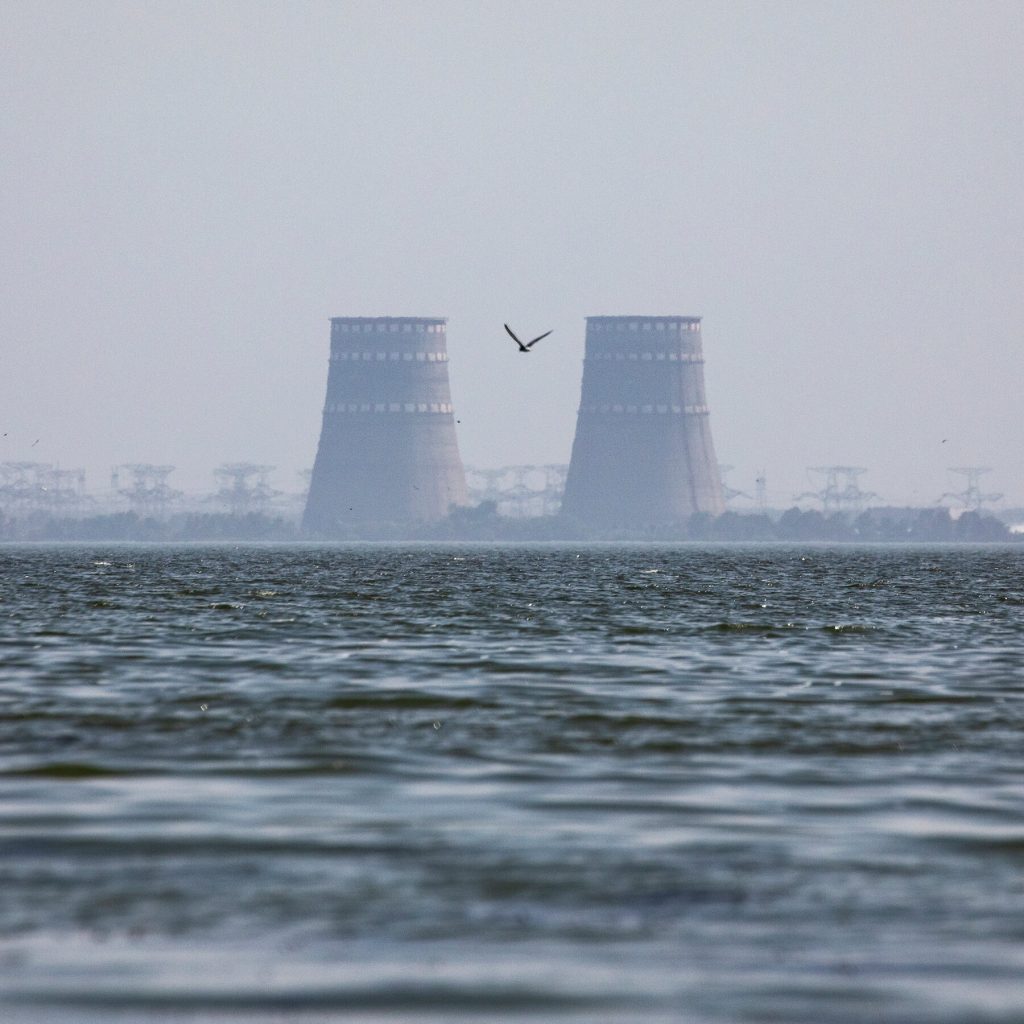
The Zaporizhzhia Nuclear Power Station, Europe’s largest reactor complex, has been under Russian control since the early stages of the invasion. Its strategic importance goes far beyond electricity generation; it is a symbol of sovereignty, a source of regional stability, and a critical asset for Ukraine’s post‑war reconstruction.
Powering the nation’s comeback hinges on regaining full access to the plant’s output. Analysts estimate that the facility supplies up to 30 % of Ukraine’s electricity demand. Without this capacity, the country would face prolonged blackouts, hindered industrial activity, and a slower return to normalcy for millions of civilians.
During peace talks, the plant has emerged as a “deal‑breaker.” Ukrainian officials insist that any ceasefire or withdrawal agreement must include a clear timetable for the plant’s handover, while Russian negotiators view it as a bargaining chip to secure broader concessions.
International watchdogs have repeatedly warned that the ongoing military presence around the reactors raises the risk of accidental damage or sabotage. The International Atomic Energy Agency (IAEA) has called for an immediate demilitarized zone to protect the complex, emphasizing that a mishap could have regional environmental repercussions.
For a durable settlement, experts argue that the peace framework must address three key points:
As negotiations continue, the Zaporizhzhia plant remains the most visible reminder that a peace deal is not just a political document—it is a practical roadmap for rebuilding a nation. The ability to safely restore the plant’s full capacity could become the cornerstone of Ukraine’s economic revival and a tangible sign that the conflict is finally moving toward a lasting resolution.