Aydın,
-4°C
açık

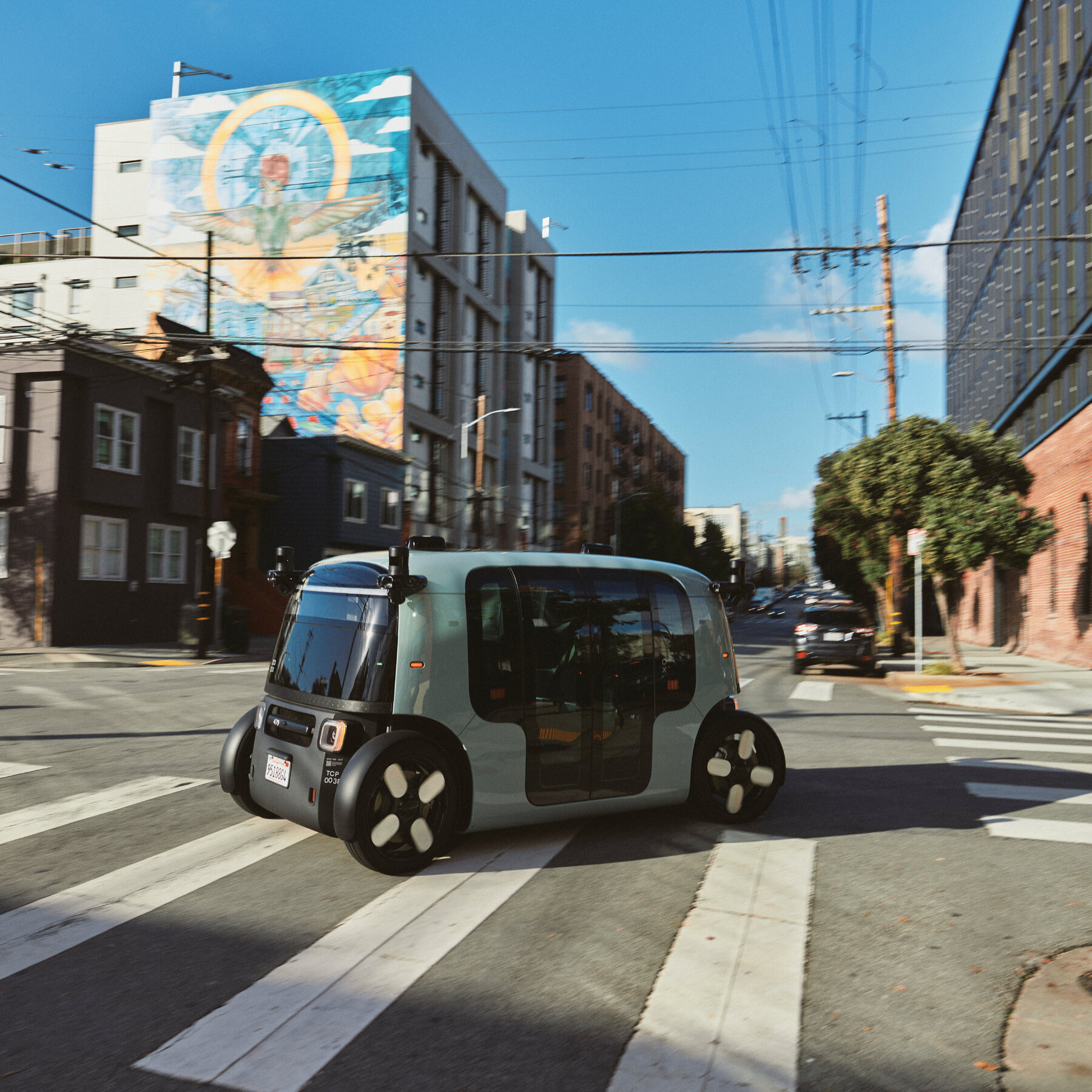
Waymo is accelerating its presence across the United States, adding new cities and expanding its fleet of autonomous vehicles at a pace that rivals traditional ride‑hailing services. The company touts its technology as a safer and more efficient alternative to human‑driven cars, promising smoother traffic flow and shorter travel times.
Environmental analysts caution that the impact on greenhouse‑gas emissions is far from certain. Some studies suggest that driverless cars could cut fuel consumption by optimizing routes and reducing idle time, while others warn that increased vehicle miles traveled—spurred by the convenience of autonomous rides—might offset any gains.
Experts highlight three major hurdles that could shape the emissions outcome:
Policymakers, manufacturers, and city planners will need to collaborate on regulations, infrastructure, and incentives that steer autonomous mobility toward a low‑carbon future. Only by addressing these systemic issues can self‑driving cars fulfill their promise of reducing emissions rather than adding to the climate challenge.