Aydın,
-4°C
açık

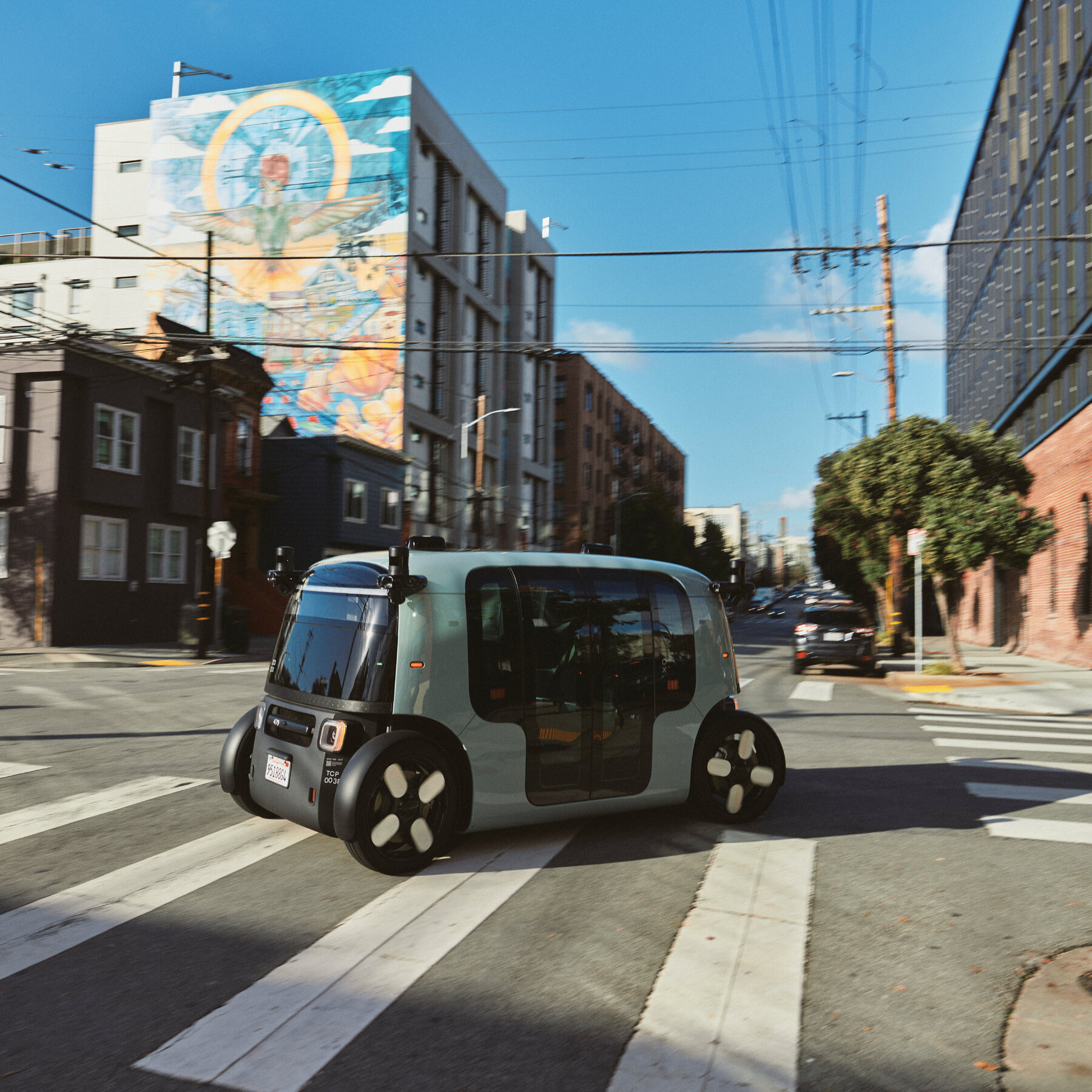
Waymo, Alphabet’s autonomous‑vehicle subsidiary, has accelerated its rollout of driverless rides in major U.S. cities. From Phoenix to San Francisco, the company now operates fleets of electric robo‑taxis that promise safer streets and greater mobility for people without access to a personal car.
Transportation scholars caution that the impact on congestion is far from clear. Some researchers argue that empty vehicle trips—cars traveling without passengers to position themselves for the next ride—could add miles to the road network, potentially worsening rush‑hour traffic. Others point to the possibility of dynamic routing algorithms that could smooth traffic patterns by coordinating vehicle movements in real time.
Because Waymo’s robo‑taxis are electric, they emit no tailpipe pollutants. However, the overall carbon footprint depends on several factors:
Environmental analysts stress that without careful policy design, the net effect could be neutral or even negative.
To steer autonomous fleets toward genuine emission reductions, experts suggest:
The promise of self‑driving cars is undeniable, but their real impact on traffic congestion and climate change will hinge on how cities, regulators, and companies like Waymo shape the technology’s deployment. Only with coordinated planning can autonomous fleets become a genuine tool for lowering emissions rather than a new source of pollution.