Aydın,
4°C
parçalı bulutlu

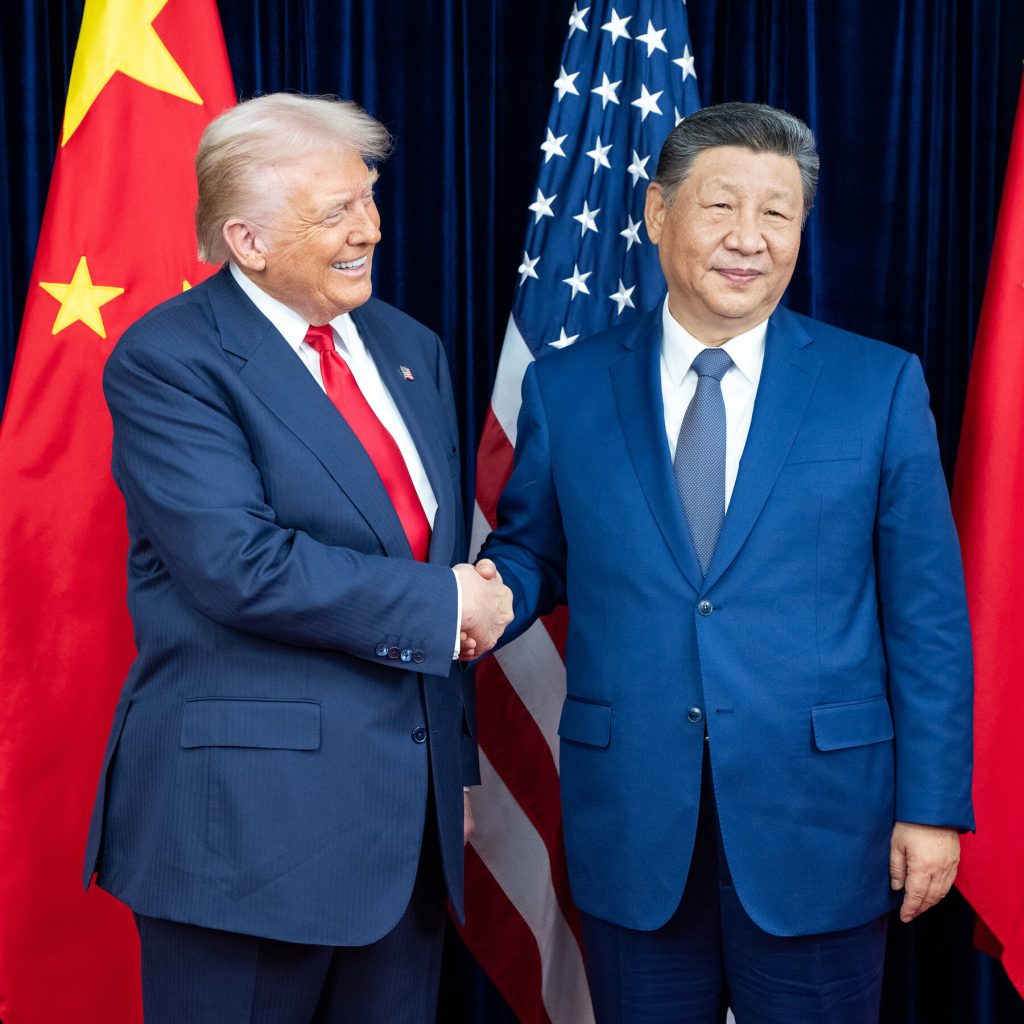
The recent trade truce between the United States and China, brokered by President Trump, has resulted in a significant reduction of U.S. tariffs on Chinese goods. This development has raised concerns that the longer-term effort to reduce America’s dependence on Beijing may be put on hold. The tariff deal, which was announced earlier this year, has effectively lowered U.S. tariffs to a level that could give China a renewed competitive edge.
The agreement has been seen as a major concession to China, as it averts a planned increase in tariffs on Chinese imports. This move is likely to benefit Chinese businesses, which have been struggling with the impact of higher tariffs on their exports to the United States. The reduced tariffs will also provide a boost to China’s economy, which has been experiencing a slowdown in recent years.
However, the deal has been criticized by some as a step backward for the United States, which had been seeking to reduce its dependence on China. The Trump administration had been pushing for a more balanced trade relationship with China, with a focus on protecting American intellectual property and promoting fair trade practices.
The tariff deal has also raised concerns about the potential risks of re-escalating trade tensions between the two countries. If China fails to meet its commitments under the agreement, the United States may re-impose higher tariffs, leading to a renewed trade war.
Despite these concerns, the Trump administration has defended the deal, arguing that it is a necessary step to support American farmers and businesses. The administration has also emphasized that the agreement includes new provisions to address issues such as intellectual property theft and forced technology transfer.
In the long term, the impact of the tariff deal on the U.S.-China trade relationship remains to be seen. While the agreement may provide a temporary reprieve for Chinese businesses, it is unclear whether it will lead to meaningful reforms in China’s trade practices. As the global economy continues to evolve, one thing is certain: the playing field between the United States and China remains highly contested, and the outcome of this trade dispute will have far-reaching implications for businesses and economies around the world.