Aydın,
8°C
açık

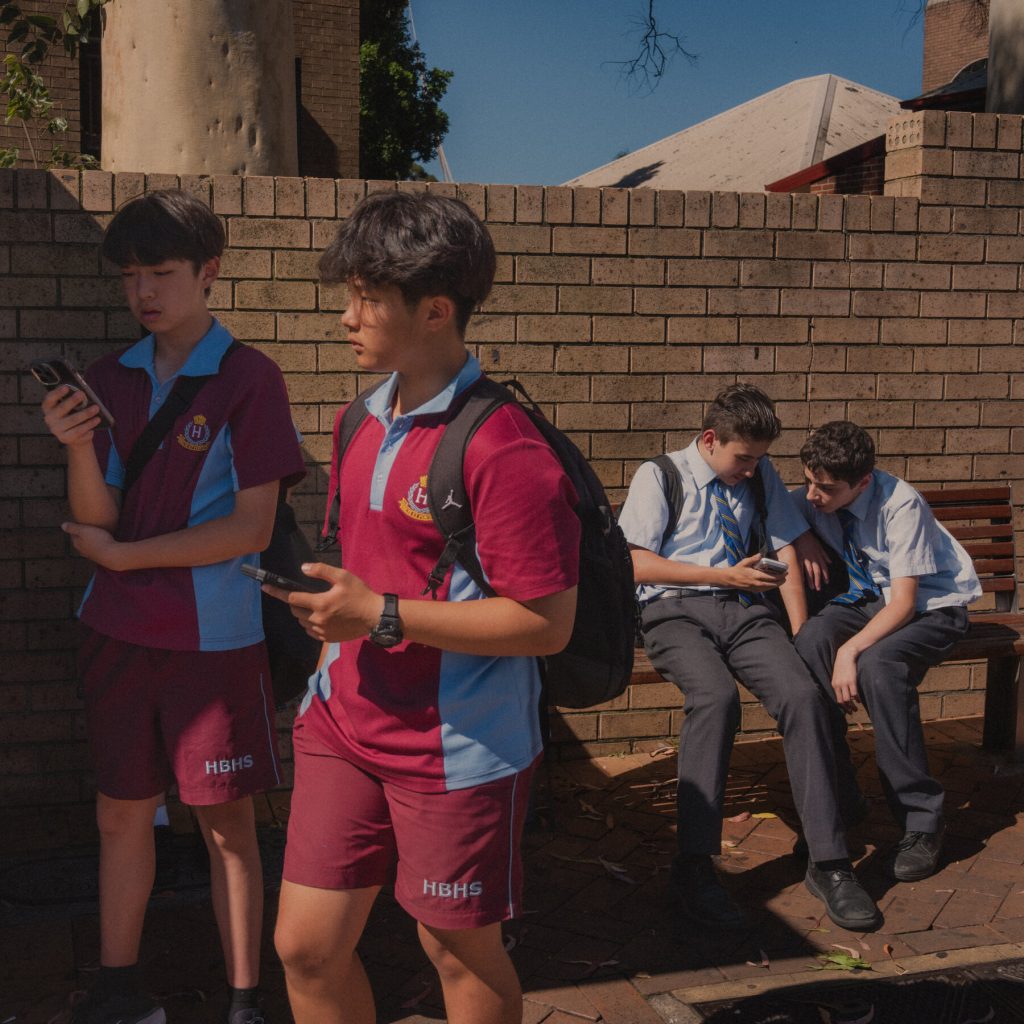
When Australia announced that children under the age of 16 would be barred from accessing major social‑media platforms, it sent shockwaves through parenting circles across the globe. The policy, framed as a protective measure against online harms, has ignited a heated discussion about whether similarly strict regulations are needed elsewhere.
For many families, the daily struggle to limit screen time has become a source of constant anxiety. “I’m exhausted trying to police every app,” says one mother from Sydney, “and it feels like we’re losing the battle before it even starts.” The Australian government’s ban offers a rare glimpse of a top‑down solution that could relieve that pressure.
Across Europe, North America, and Asia, policymakers and parent‑advocacy groups are closely watching the outcome of Australia’s experiment. Some argue that a blanket age restriction is too blunt a tool, while others view it as a necessary step to curb the mental‑health crisis linked to excessive social‑media use among teenagers.
If the ban proves effective, it could set a precedent for other nations to adopt similar age limits or to develop more nuanced digital‑wellness frameworks. Critics, however, warn that such measures might drive young users to unregulated platforms or increase the use of VPNs, undermining the policy’s intent.
In the meantime, experts advise parents to combine open dialogue with practical tools: setting clear boundaries, using parental‑control software, and encouraging offline activities that foster real‑world connections. “Technology isn’t the enemy,” notes a child‑psychology specialist, “but unchecked exposure can be.”