Aydın,
10°C
parçalı bulutlu

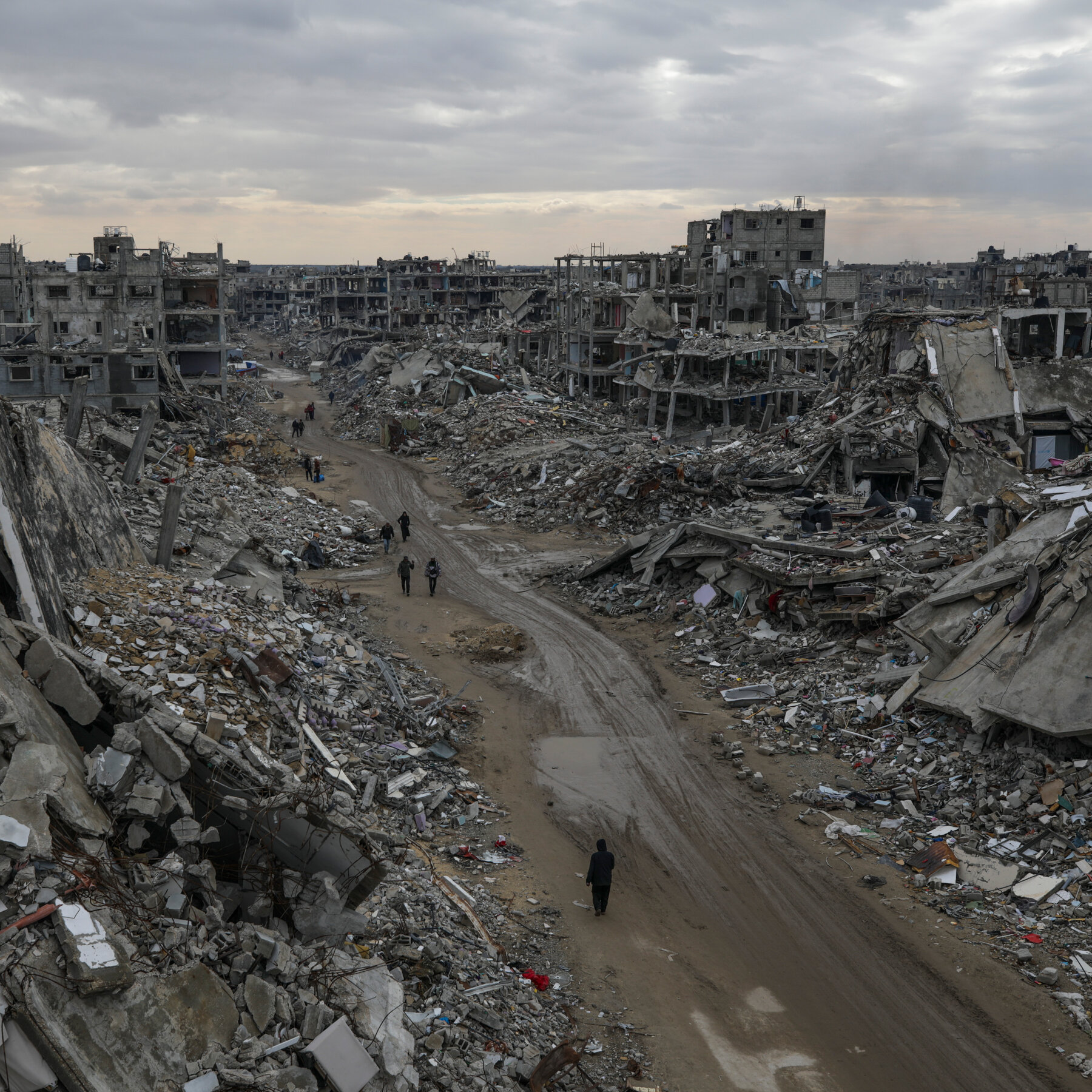
Yasser Abu Shabab was a Bedouin man in his early thirties who emerged as a prominent figure in a covert Israeli initiative aimed at fostering anti‑Hamas militias inside the Gaza Strip. According to regional security sources, he was recruited for his tribal connections and his ability to rally disaffected youths from the desert communities surrounding Gaza.
The Israeli Defense Forces have long pursued a policy of cultivating rival factions to weaken Hamas’s grip on the territory. “We seek to empower local actors who oppose Hamas, thereby creating internal pressure on the group,” an unnamed Israeli official told reporters last month. Abu Shabab was reportedly placed at the center of this effort, coordinating training sessions, smuggling weapons, and organizing small‑scale attacks against Hamas checkpoints.
On Wednesday evening, Hamas militants launched a targeted raid in the northern Gaza city of Jabalia, where Abu Shabab was believed to be operating a weapons cache. The operation, described by Hamas as a “precision strike against a key enemy collaborator,” resulted in Abu Shabab’s death along with two of his close aides. Hamas released a brief statement confirming the kill, while Israeli officials declined to comment on the specifics.
The death of Abu Shabab underscores the volatile nature of the proxy war unfolding in Gaza. “Eliminating a figure like Abu Shabab sends a clear message to anyone considering cooperation with Israel,” said a senior Hamas commander. Meanwhile, analysts warn that the removal of one operative may not halt Israel’s broader strategy of backing anti‑Hamas elements, but it could intensify security crackdowns and further destabilize the already fragile environment.
Both sides are likely to brace for heightened confrontations. Hamas has vowed to continue targeting collaborators, while Israeli intelligence is expected to identify and support new leaders to fill the void left by Abu Shabab. The ongoing cycle of retaliation could exacerbate civilian suffering and complicate any diplomatic efforts aimed at de‑escalation.