Aydın,
8°C
açık

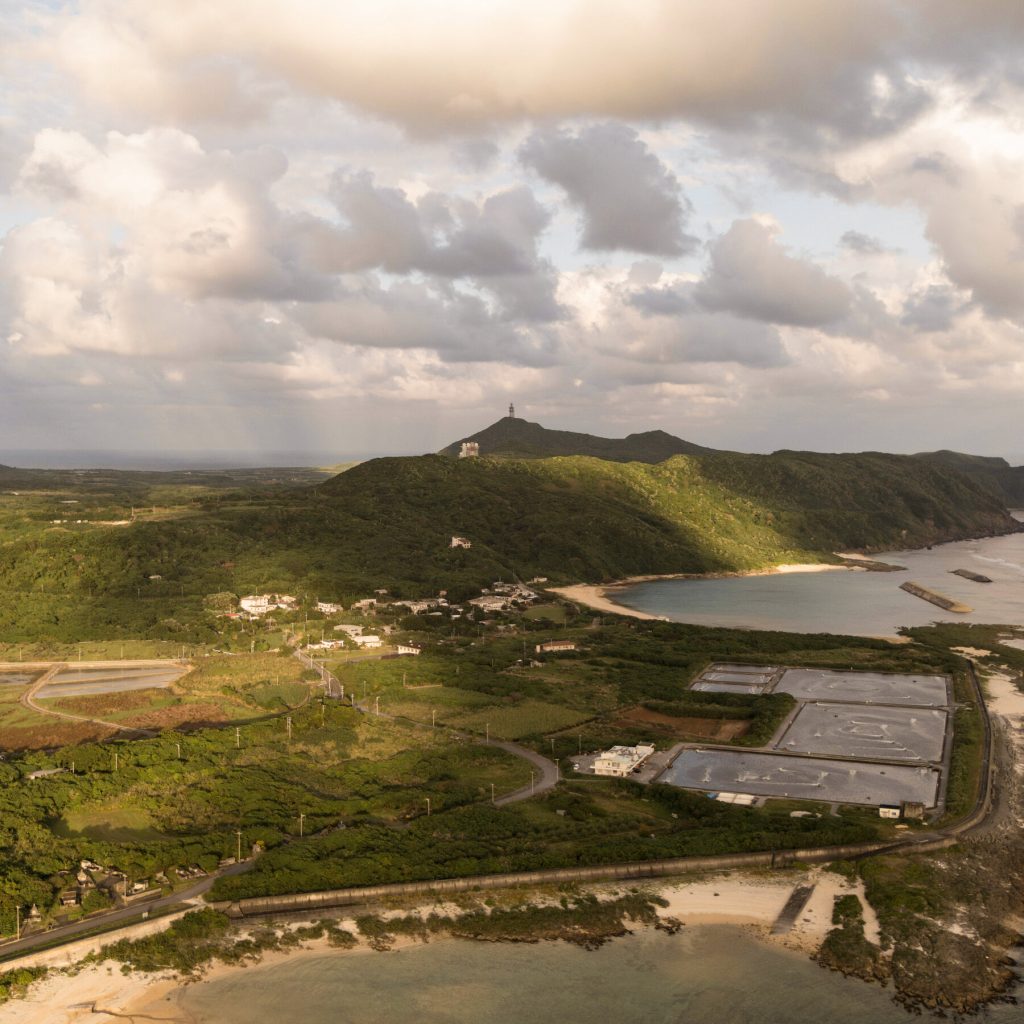
The tiny island of Yonaguni, perched at the western edge of Japan’s Ryukyu chain, lies just 108 km east of Taiwan and 118 km west of the disputed Senkaku/Diaoyu islands. Its location makes it a natural “front‑line” outpost in the growing rivalry between China and Japan.
In response to heightened tensions, the Japanese government has begun a series of upgrades on Yonaguni:
These measures are part of a broader strategy to reinforce Japan’s southwestern defensive perimeter and to deter any potential coercion in the East China Sea.
While officials tout the upgrades as necessary for national security, many Yonaguni inhabitants are uneasy. Long‑time fisherman Kenji Nakamura told reporters, “We have lived peacefully for generations. The noise of helicopters and the sight of armed vehicles have turned our quiet island into a militarized zone.”
Community leaders fear that the increased presence of troops and equipment could disrupt the island’s fragile ecosystem, which relies on coral reefs and abundant marine life that support the local fishing industry.
The bolstering of Yonaguni’s defenses occurs amid a series of confrontations:
Analysts warn that Yonaguni could become a flashpoint if diplomatic channels break down, potentially drawing in external powers and escalating a regional security dilemma.
For now, the island’s residents must adapt to a new reality where everyday life coexists with heightened military activity. The Japanese government has pledged to maintain open communication with the community, promising that any further developments will be undertaken with “respect for local livelihoods and environmental stewardship.”
Whether Yonaguni remains a quiet fishing outpost or transforms into a strategic bastion will depend on the trajectory of China‑Japan relations in the coming months.