Aydın,
-4°C
açık

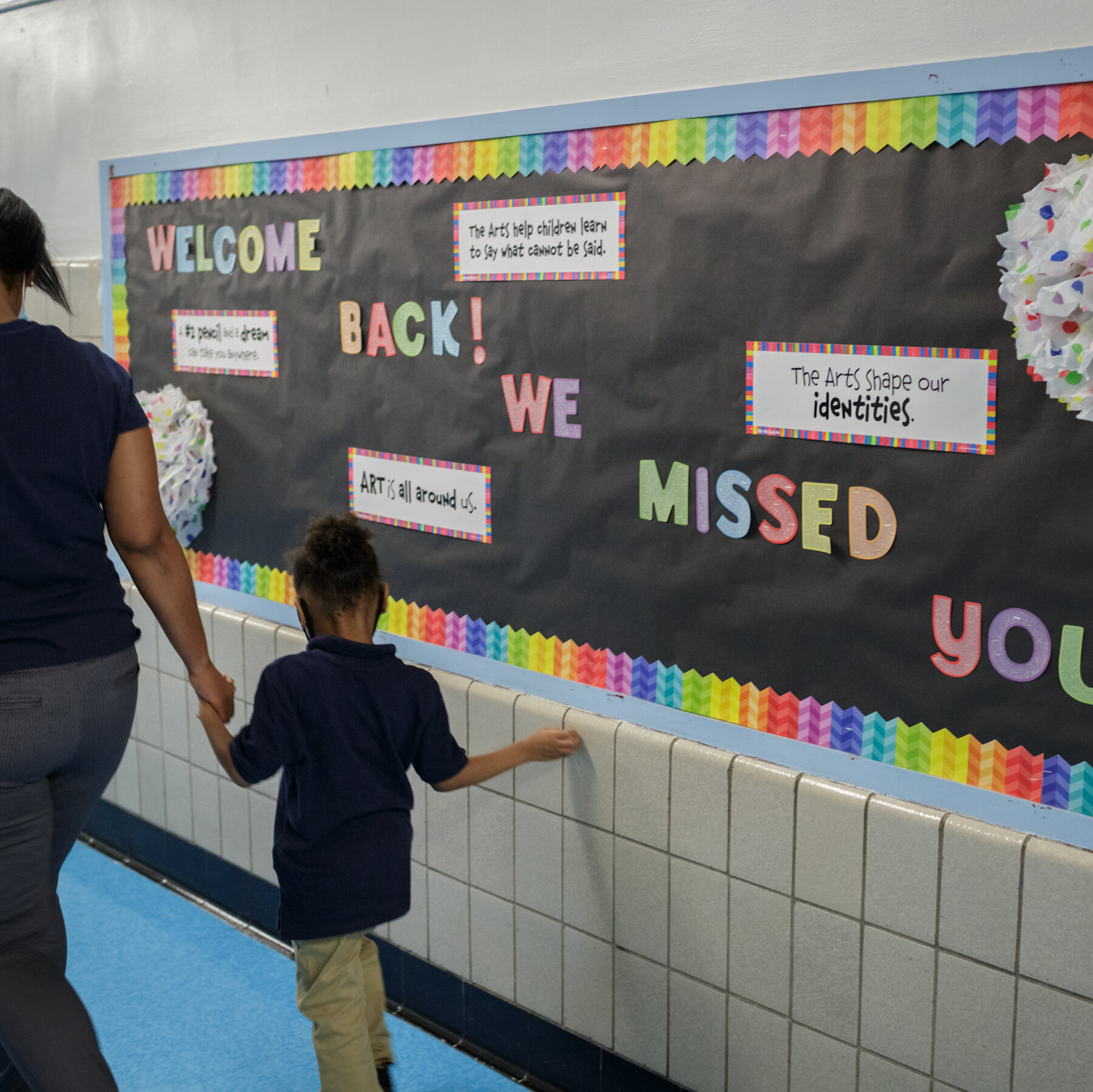
A recent analysis of national health‑service records reveals a notable decline in mental‑health appointments among children and adolescents once schools resumed regular, in‑person classes. The study, conducted by a coalition of university researchers and public‑health officials, compared data from the pandemic‑induced shutdown period with the months following the return to classrooms.
Sharp Drop in Consultations: In the first three months after schools reopened, the number of scheduled mental‑health visits for youths aged 5‑17 fell by approximately 40% compared with the peak levels observed during the lockdown.
Improved Emotional Well‑Being: Surveys administered to students and parents indicated reductions in reported anxiety, depressive symptoms, and feelings of isolation.
While the resumption of face‑to‑face learning appears to be a major driver, the authors caution that other elements may have played a role, including:
The findings suggest that keeping schools open—when safety permits—can be a vital component of public‑health strategies aimed at protecting the mental well‑being of young people. Policymakers are urged to consider:
Although the study acknowledges that multiple variables likely contributed to the observed improvements, the correlation between school reopenings and a decline in mental‑health appointments underscores the essential role of educational settings in supporting children’s emotional resilience.