Aydın,
10°C
parçalı bulutlu

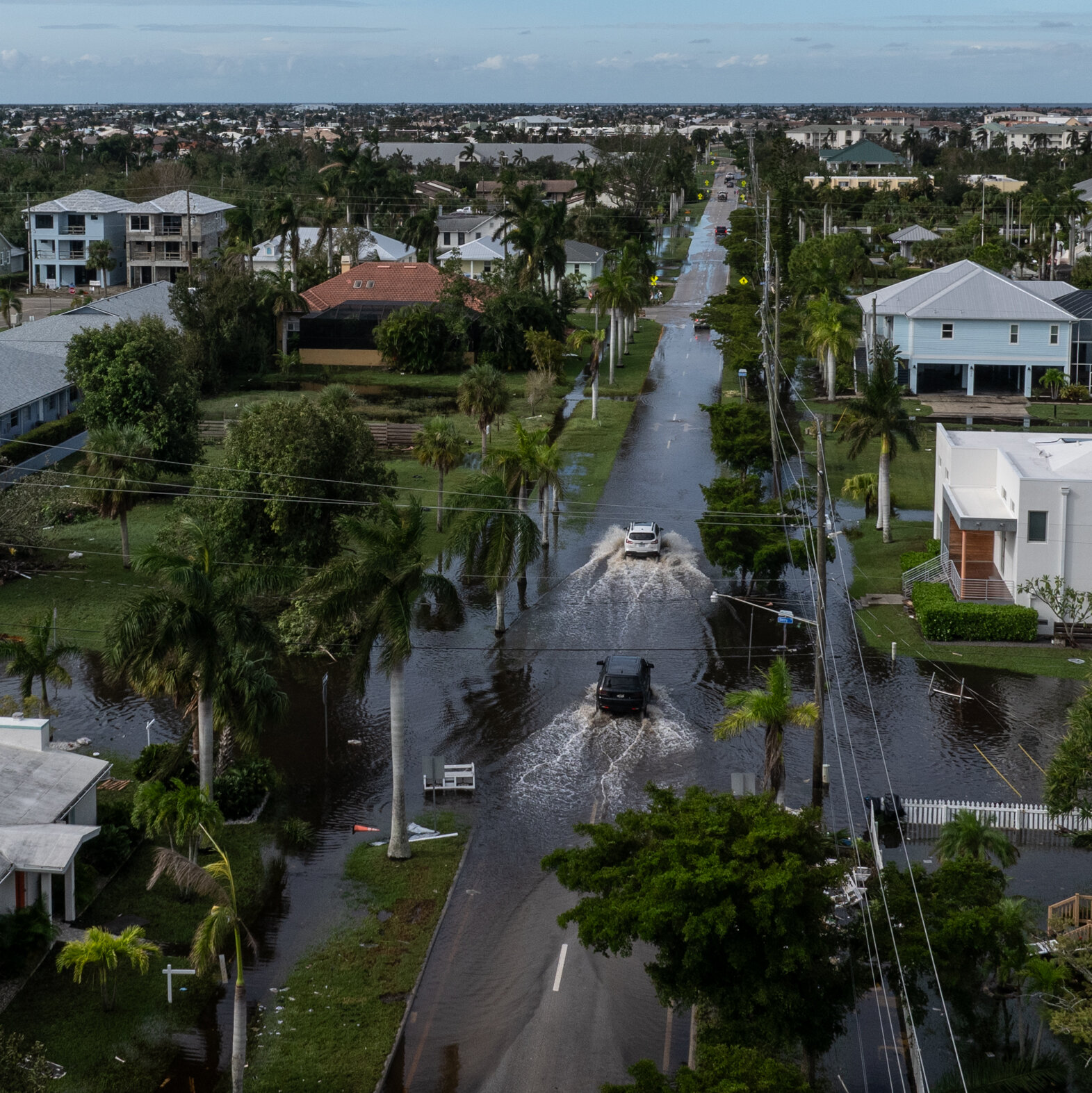
After a year of offering Climate Risk Scores on its platform, Zillow has decided to discontinue the feature. The scores were designed to estimate a home’s exposure to wildfires, floods, and severe storms, providing prospective buyers with an additional data point when evaluating a property.
Industry experts and many homeowners, however, argued that the metrics were often inaccurate and could misrepresent a property’s true vulnerability. Critics said the algorithm relied on broad regional data and failed to account for local mitigation measures, recent upgrades, or the nuanced nature of climate hazards.
“The scores gave a false sense of security or alarm,” said a real‑estate agent who asked to remain anonymous. “In some cases, homes with robust flood defenses were flagged as high‑risk, while others in relatively safe zones received low scores that didn’t reflect recent climate trends.”
In response to the feedback, Zillow announced that it will focus on improving its overall property data and will explore more granular ways to inform users about environmental factors without relying on a single composite score.
For now, buyers and sellers are encouraged to consult local flood maps, fire authority resources, and professional risk assessments to get a clearer picture of a property’s exposure to climate‑related threats.